
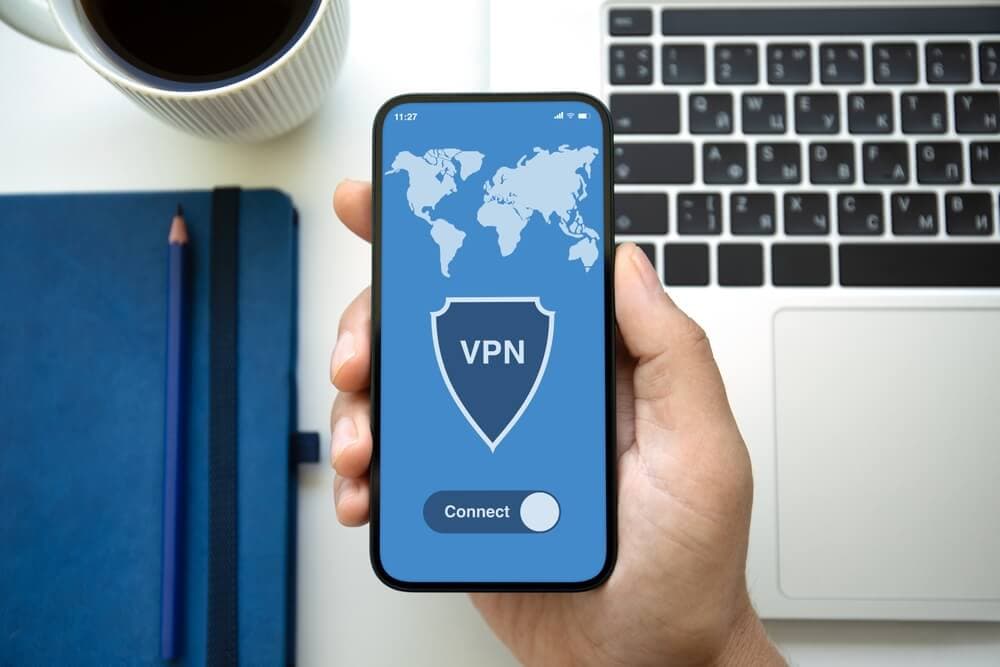
High-Speed VPNs: Enhancing Streaming, Gaming, and Security
High-speed VPNs have become essential tools for improving streaming, gaming, and downloading experiences. These VPNs provide stable connections and bypass geographical restrictions, allowing users to access content from anywhere in the world. One of the significant benefits of high-speed VPNs is their ability to bypass ISP throttling, ensuring that users maintain their actual internet speeds and traffic neutrality. Services like NordVPN, ExpressVPN, and Surfshark are renowned for their performance in terms of security, stability, and convenience. These VPNs encrypt internet traffic, providing an additional layer of security and privacy. This is particularly important when using public Wi-Fi networks, where sensitive data can be vulnerable to interception. The use of high-speed VPNs has several implications for the cybersecurity landscape. Firstly, it increases privacy and data protection, driving advancements in encryption technologies. Secondly, it poses challenges for ISPs in managing network traffic and enforcing regional content restrictions. Thirdly, while VPNs enhance security, they also introduce new risks if users choose unreliable providers. From a cybersecurity professional's perspective, selecting a reputable VPN provider is crucial. Providers like NordVPN, ExpressVPN, and Surfshark are known for their robust security features and no-logs policies. Users should prioritize both performance and security when choosing a VPN. Additionally, it's essential to be aware of the legal implications of using VPNs to bypass geographical restrictions, as this may violate local laws or terms of service agreements. In conclusion, high-speed VPNs offer significant benefits for streaming, gaming, and downloading, while also enhancing security and privacy. However, users must be mindful of the potential risks and legal considerations associated with VPN usage.