
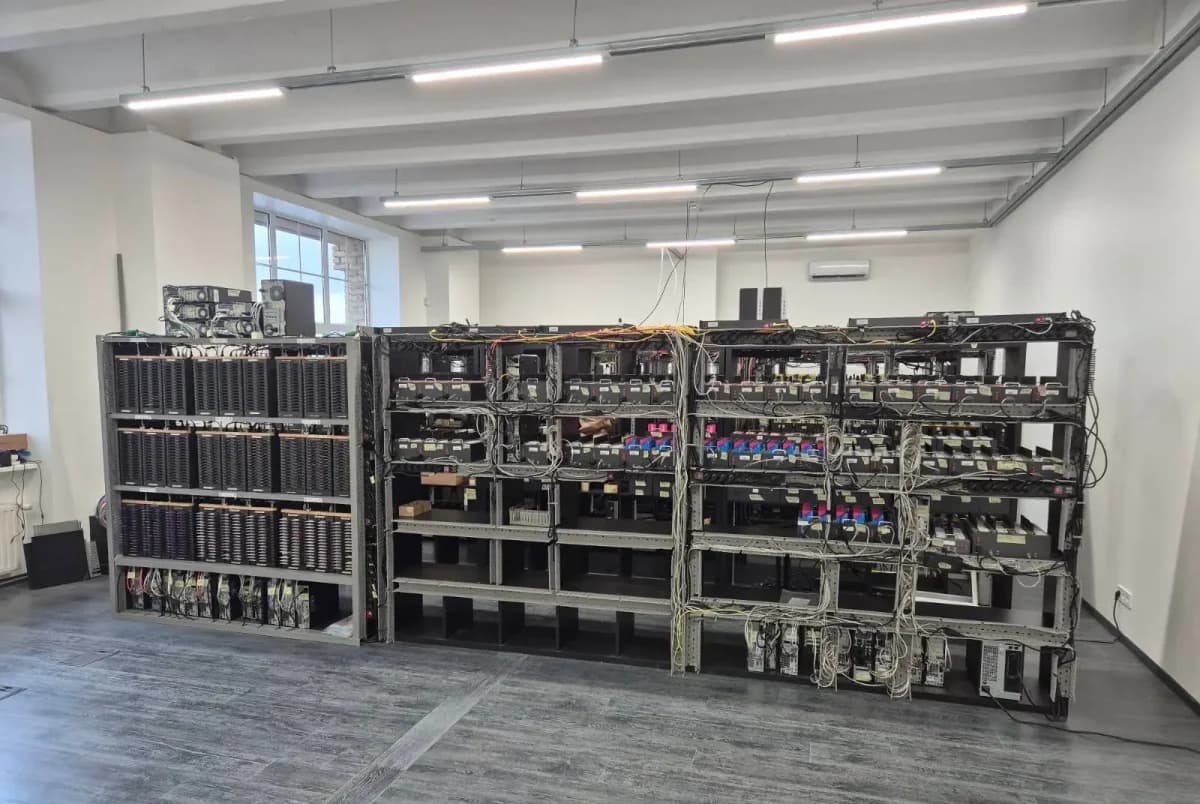
Europol Dismantles SIM Swapping Cartel, Seizes 40,000 SIM Cards
Europol has successfully dismantled the infrastructure of a cybercriminal group responsible for millions of euros in damages across the European Union. The operation led to the seizure of 40,000 SIM cards used by the criminals for fraudulent activities. While specific technical details of the operation have not been disclosed, the scale of the seizure indicates a large and organized criminal enterprise engaged in SIM swapping or similar fraudulent activities. SIM swapping is a technique where criminals take control of a victim's phone number by transferring it to a SIM card they control. This allows them to intercept SMS-based two-factor authentication (2FA) codes and gain access to sensitive accounts, such as banking or email. The seizure of 40,000 SIM cards suggests that the criminal group had a vast infrastructure to carry out these attacks at scale, potentially targeting thousands of victims across the EU. The impact of this operation is significant. By dismantling this criminal infrastructure, Europol has prevented millions of euros in potential damages. This operation also serves as a deterrent to other cybercriminal groups, demonstrating that law enforcement agencies are capable of disrupting large-scale criminal operations. However, this operation also highlights the persistent threat of SIM-related fraud. Cybercriminals continue to exploit weaknesses in the telecommunications infrastructure to carry out their attacks. As such, organizations must review their authentication processes and consider moving away from SMS-based 2FA to more secure methods, such as hardware tokens or app-based 2FA. These methods are less susceptible to SIM swapping attacks and can provide better protection against unauthorized access. Additionally, organizations should educate their users about the risks of SIM swapping and how to protect themselves. Users can set up PIN codes with their mobile carriers to prevent unauthorized SIM swaps. They should also be cautious about sharing personal information that could be used to facilitate a SIM swap, such as their phone number or account details. For cybersecurity professionals, this operation underscores the importance of monitoring and securing telecommunications infrastructure. It also highlights the need for collaboration between law enforcement agencies and the private sector to combat cybercrime effectively. By sharing threat intelligence and best practices, organizations can better protect themselves against emerging threats and stay ahead of cybercriminals. In conclusion, Europol's operation against the SIM swapping cartel is a significant victory in the fight against cybercrime. However, it also serves as a reminder of the ongoing threat posed by SIM-related fraud. Organizations must take proactive steps to secure their authentication processes and educate their users to mitigate the risks associated with these types of attacks.