
ClickFix Attacks: Understanding the Growing Threat of Browser-Based Social Engineering
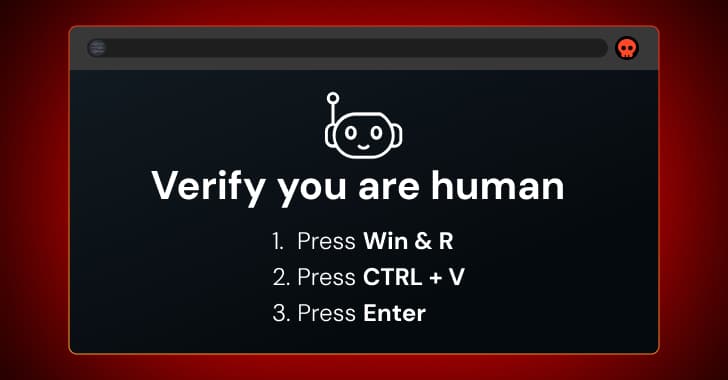
ClickFix attacks, also known as FileFix or fake CAPTCHA attacks, represent a growing threat in the cybersecurity landscape. These attacks exploit user trust by tricking them into interacting with malicious scripts within their web browser. Often disguised as CAPTCHA challenges or error corrections, ClickFix attacks occur directly in the browser, making them particularly insidious. The term "ClickFix" can be misleading, as it doesn't always accurately describe the nature of the attack. These incidents leverage the inherent trust users place in their browsing environment to execute malicious actions, such as data theft or malware installation.
Technically, ClickFix attacks are a form of social engineering that bypasses traditional security measures by operating within the browser itself. This makes them difficult to detect and mitigate using conventional methods like firewalls or antivirus software. The implications for cybersecurity are significant, as these attacks represent a shift towards more sophisticated and immediate threats that exploit user behavior rather than technical vulnerabilities.
For cybersecurity professionals, the rise of ClickFix attacks underscores the need for enhanced browser security measures. Implementing Content Security Policy (CSP) can help restrict the execution of unauthorized scripts, thereby mitigating the risk of such attacks. Additionally, user education is crucial; users must be made aware of the dangers of interacting with unexpected or suspicious elements on web pages.
In conclusion, ClickFix attacks highlight the evolving nature of cyber threats. By understanding the technical mechanisms and implications of these attacks, cybersecurity professionals can better prepare and protect their organizations against this growing threat.