
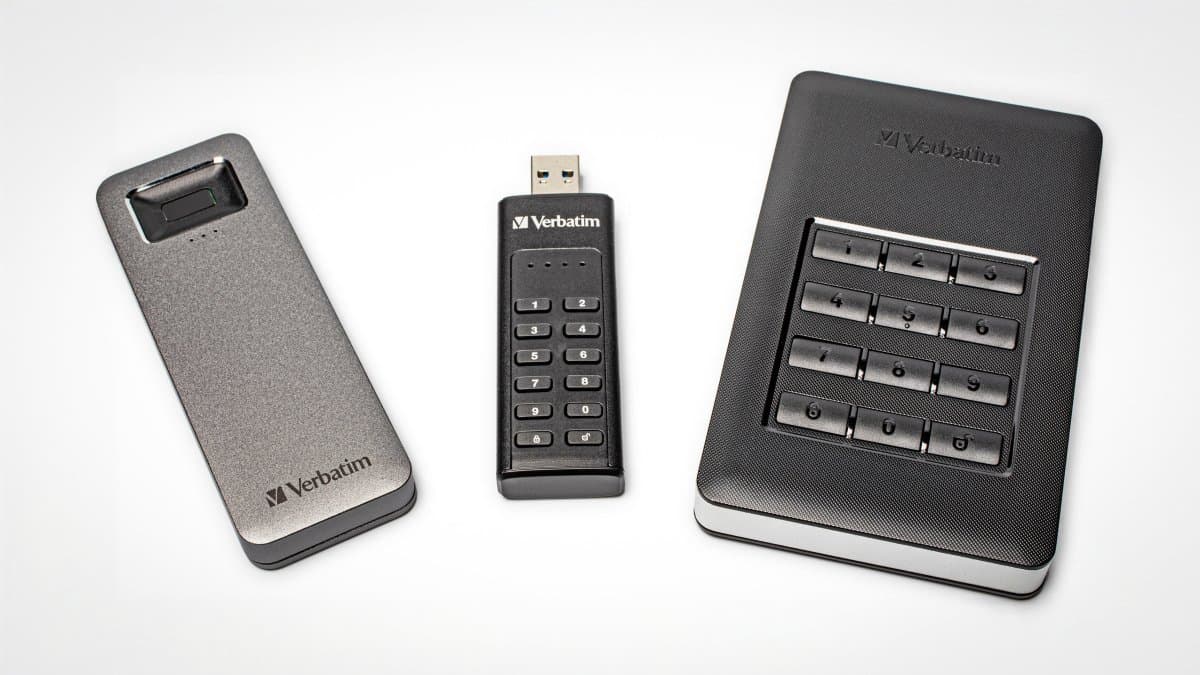
Verbatim's Keyboard-Encrypted USB Drives Remain Vulnerable Despite Firmware Updates
Verbatim's keyboard-encrypted USB drives, designed to protect data against theft, continue to exhibit vulnerabilities even after firmware updates. These devices, marketed for their enhanced security through encryption mechanisms, fail to provide reliable data protection. This persistent vulnerability underscores the challenges in hardware-based encryption and the need for continuous security assessments.
Technically, the issue highlights potential flaws in the implementation of encryption algorithms or the physical security mechanisms of these USB drives. Despite Verbatim's efforts to patch these vulnerabilities through firmware updates, their persistence suggests deeper, possibly architectural, weaknesses.
The impact on the cybersecurity landscape is significant. Organizations relying on these drives for secure data transport may need to reconsider their approach. This situation emphasizes the importance of defense in depth—layered security measures that do not rely solely on one method of protection. For instance, combining hardware encryption with software-based encryption and strict access controls can mitigate risks.
For cybersecurity professionals, this serves as a reminder of the importance of thorough security testing and the limitations of hardware-based solutions. It is crucial to stay updated on vendor advisories and to implement additional safeguards when necessary. Organizations should also consider alternative secure data transfer methods, such as encrypted cloud solutions or secure file transfer protocols, to ensure data integrity and confidentiality.
In conclusion, while Verbatim's encrypted USB drives offer a layer of security, their vulnerabilities highlight the need for a multi-faceted approach to data protection. Cybersecurity professionals must remain vigilant and proactive in addressing potential weaknesses in their security infrastructure.