
Lazarus Group Targets European Defense Firms in UAV-Themed Operation DreamJob
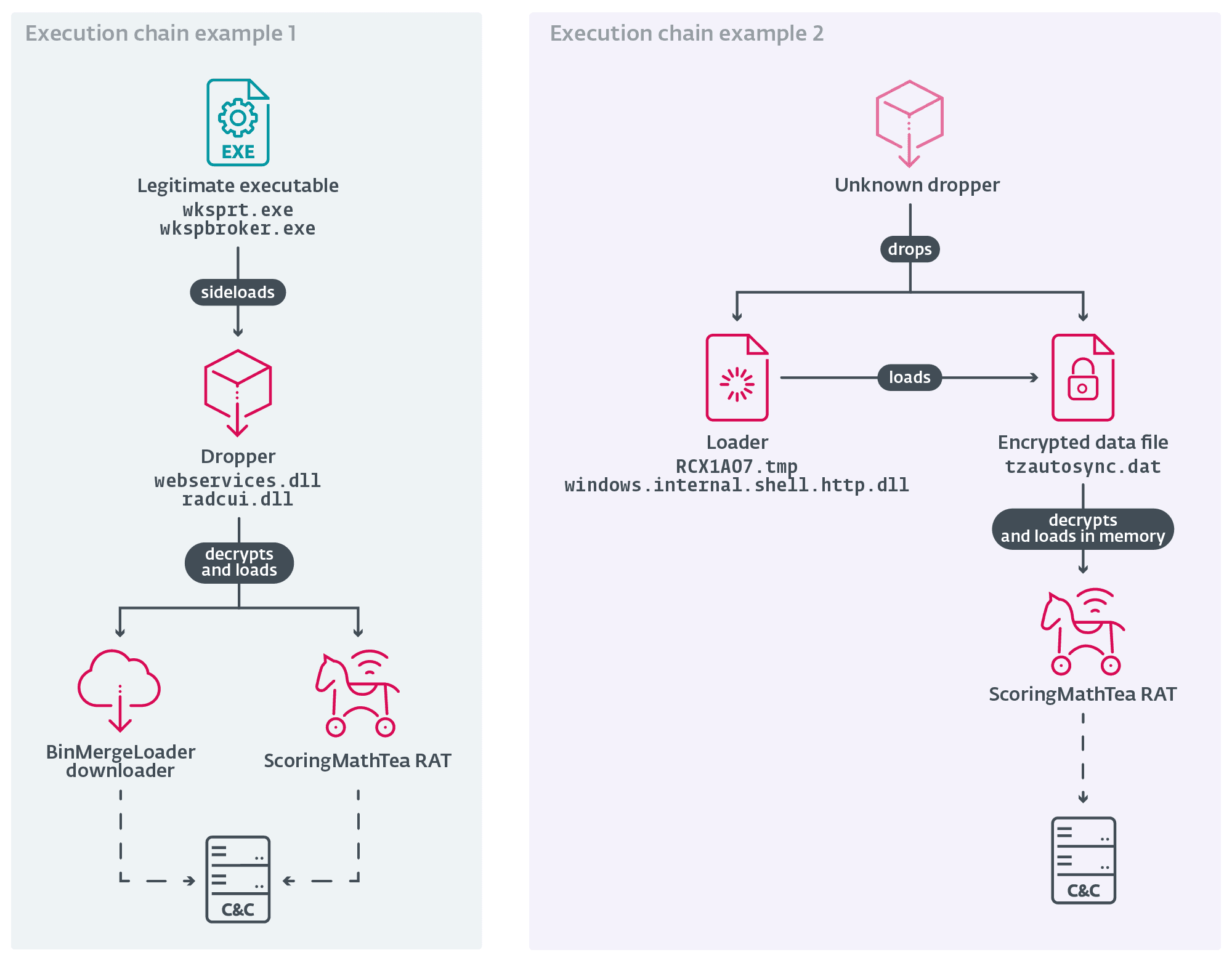
The Lazarus Group, a North Korean state-sponsored hacking collective, has been identified as the perpetrator behind a targeted attack on three European defense companies. This operation, dubbed DreamJob, leveraged social engineering tactics to compromise systems and gain access to sensitive information related to unmanned aerial vehicle (UAV) technology. The attackers created fake recruiter profiles and used them to send fraudulent job offers to employees working on UAV technology. These job offers contained malicious links that, when clicked, likely delivered custom malware designed to infiltrate the target's network. This method of attack is consistent with Lazarus Group's known tactics, which often involve sophisticated social engineering and custom malware. The technical implications of this attack are significant. The use of fake recruiter profiles highlights the effectiveness of social engineering in bypassing traditional security measures. Once inside the network, the attackers could potentially exfiltrate sensitive data, disrupt operations, or establish persistent access for future attacks. The impact on the cybersecurity landscape is substantial. This attack underscores the ongoing threat posed by state-sponsored APT groups, particularly those with ties to nation-states like North Korea. Defense companies, which hold sensitive information critical to national security, are prime targets for such groups. The successful compromise of these systems could have far-reaching consequences, including the loss of classified information and the potential advancement of adversarial military capabilities. For cybersecurity professionals, this incident serves as a reminder of the importance of robust security measures and employee training. Regular training sessions on identifying phishing attempts and social engineering tactics can help employees recognize and avoid such attacks. Implementing robust email filtering solutions can block phishing emails and malicious attachments before they reach employees. Network segmentation can limit the damage in case of a breach, preventing attackers from moving laterally across the network. Additionally, having a well-defined incident response plan in place can help organizations quickly contain and mitigate any breaches. In conclusion, the DreamJob operation by the Lazarus Group highlights the ongoing threat posed by state-sponsored APT groups and the need for robust cybersecurity measures to protect sensitive information. Organizations must remain vigilant and proactive in their defense strategies to mitigate the risk of such attacks.