
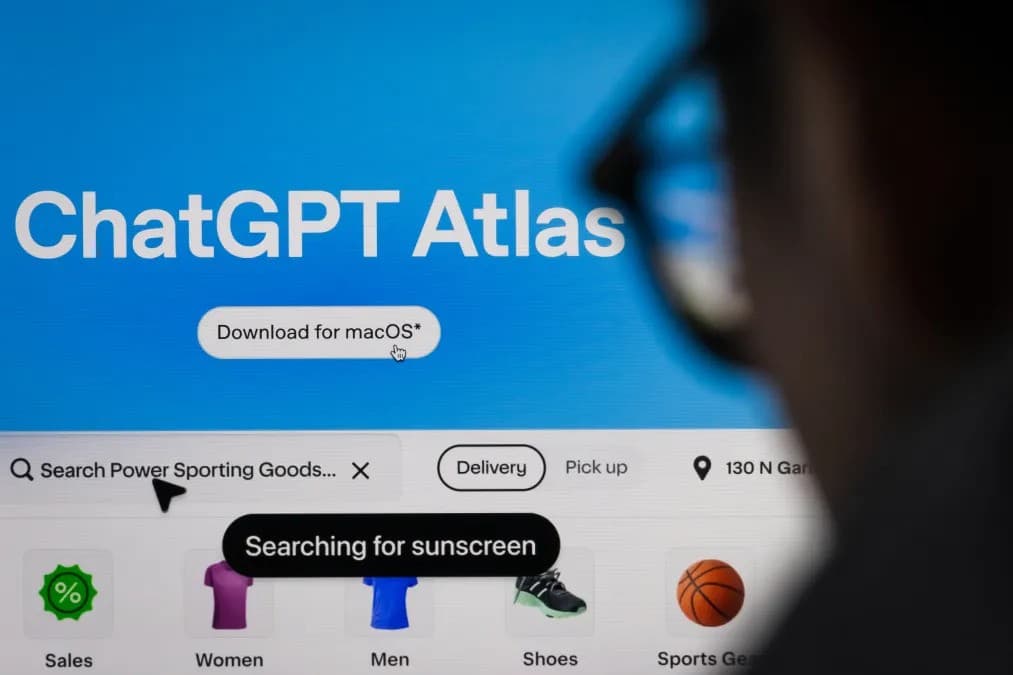
OpenAI's Atlas Browser Vulnerable to Cloaking Attacks, Raising AI Governance Concerns
Researchers have discovered a vulnerability in OpenAI's new Atlas browser that allows it to be deceived by manipulated web content. This flaw enables cloaking attacks, where AI agents using the browser are shown different content than what human users see. Such attacks could lead to AI agents processing malicious or misleading information, posing significant risks to automated systems that rely on these agents for decision-making. The vulnerability underscores broader concerns about AI governance, with industry experts warning that companies may be "sleepwalking" into a crisis due to inadequate oversight and security measures. This situation highlights the urgent need for robust security frameworks tailored to AI-driven web interactions. The implications for cybersecurity are profound, as AI agents could become unwitting participants in phishing campaigns or other malicious activities if not properly secured. Organizations leveraging AI agents for web-based tasks must implement stringent content verification mechanisms and continuously monitor AI interactions to mitigate these risks. The discovery also calls for heightened regulatory scrutiny and industry-wide standards to ensure the safe deployment of AI technologies in web environments.