
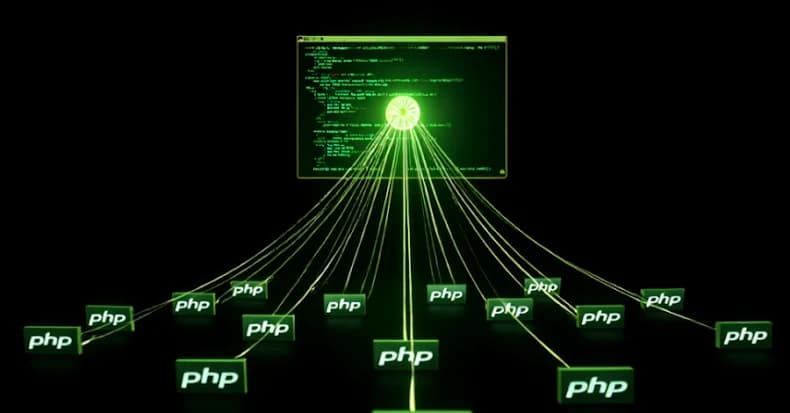
Sharp Increase in Automated Attacks by Botnets Targeting PHP Servers, IoT Devices, and Cloud Gateways
Cybersecurity researchers have reported a significant rise in automated attacks targeting PHP servers, IoT devices, and cloud gateways by botnets such as Mirai, Gafgyt, and Mozi. According to the Qualys Threat Research Unit (TRU), these campaigns exploit known CVEs and cloud misconfigurations to take control of exposed systems and expand botnet networks. The technical implications of these attacks are substantial. Automated attacks allow for rapid exploitation of vulnerabilities at scale, leading to widespread compromises. The use of known CVEs highlights the importance of timely patching and proper configuration management. The impact on the cybersecurity landscape includes potential data breaches, service disruptions, and the propagation of botnets, which can be used for various malicious activities, including DDoS attacks. For cybersecurity professionals, this underscores the need for robust patch management processes and regular vulnerability assessments. Organizations should prioritize patching known vulnerabilities and reviewing cloud configurations to mitigate risks. Additionally, continuous monitoring for signs of compromise and having a well-defined incident response plan are crucial. Expert insights suggest that the persistence and evolution of botnets like Mirai, Gafgyt, and Mozi pose ongoing threats. These botnets are known for their ability to spread quickly and cause significant damage. Therefore, proactive measures and a strong security posture are essential to defend against these automated attacks.