
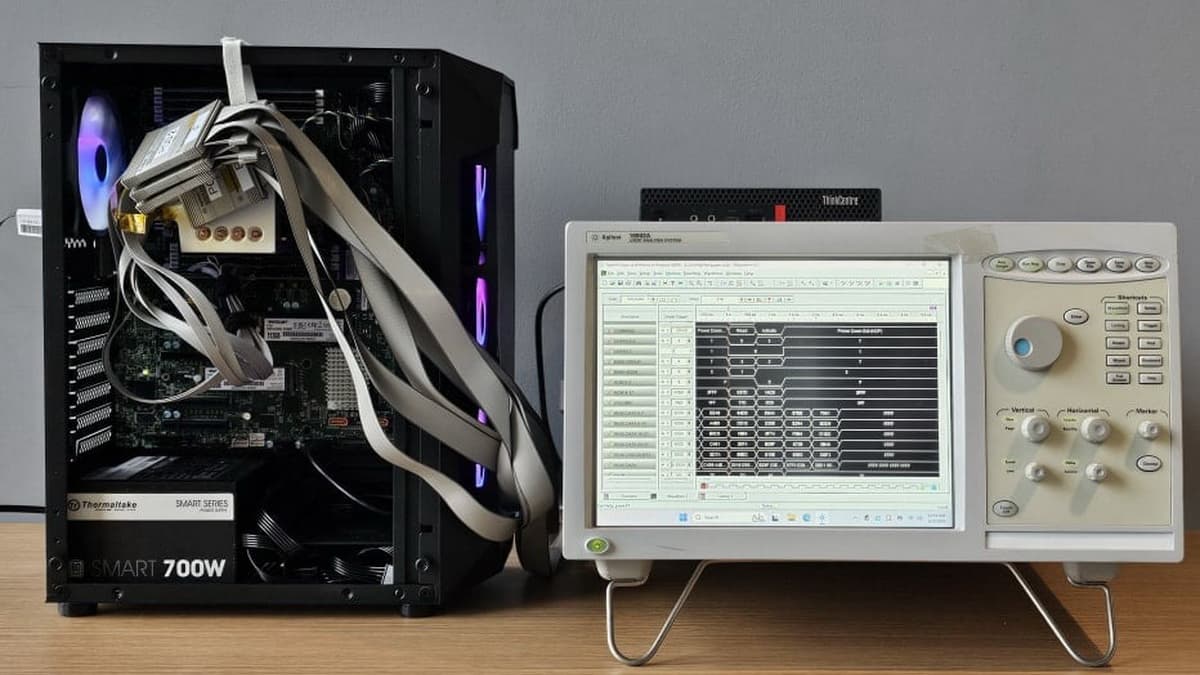
New TEE.Fail Attack Compromises Secure Enclaves in Intel and AMD Processors
A team of researchers has unveiled a new attack named TEE.Fail, which can extract cryptographic keys and other sensitive data from the secure enclaves of Intel and AMD processors. These enclaves, known as Trusted Execution Environments (TEEs), are designed to provide a secure area isolated from the operating system, ensuring the safe execution of code and storage of cryptographic keys. The affected processors include Intel's Software Guard Extensions (SGX) and Trust Domain Extensions (TDX), as well as AMD's Secure Encrypted Virtualization with Secure Nested Paging (SEV-SNP).
The TEE.Fail attack represents a significant breach of the security guarantees provided by TEEs. By compromising these secure zones, attackers can potentially access sensitive information that was supposed to be protected by hardware-level security measures. This vulnerability could have far-reaching implications for systems that rely on TEEs for secure operations, such as financial transactions, secure communications, and digital rights management.
From a technical standpoint, the attack undermines the fundamental principle of TEEs: isolation. If attackers can extract keys from these secure environments, they could decrypt sensitive data, impersonate legitimate users, or bypass security controls. This could lead to a loss of trust in hardware-based security solutions and prompt a reevaluation of current security architectures.
In terms of the broader cybersecurity landscape, the discovery of TEE.Fail highlights the ongoing challenge of securing hardware against sophisticated attacks. It underscores the need for continuous research and development in hardware security, as well as the importance of defense-in-depth strategies that do not rely solely on hardware-based protections.
For cybersecurity professionals, this development serves as a reminder of the evolving threat landscape and the necessity of staying abreast of new vulnerabilities. It may also prompt organizations to review their security postures and consider additional layers of protection beyond TEEs.
In conclusion, the TEE.Fail attack is a critical vulnerability that affects the security of Intel and AMD processors. It underscores the importance of robust security measures and the need for ongoing vigilance in the face of emerging threats.