
Cellebrite Leak Reveals Google Pixel Vulnerabilities and GrapheneOS Advantages
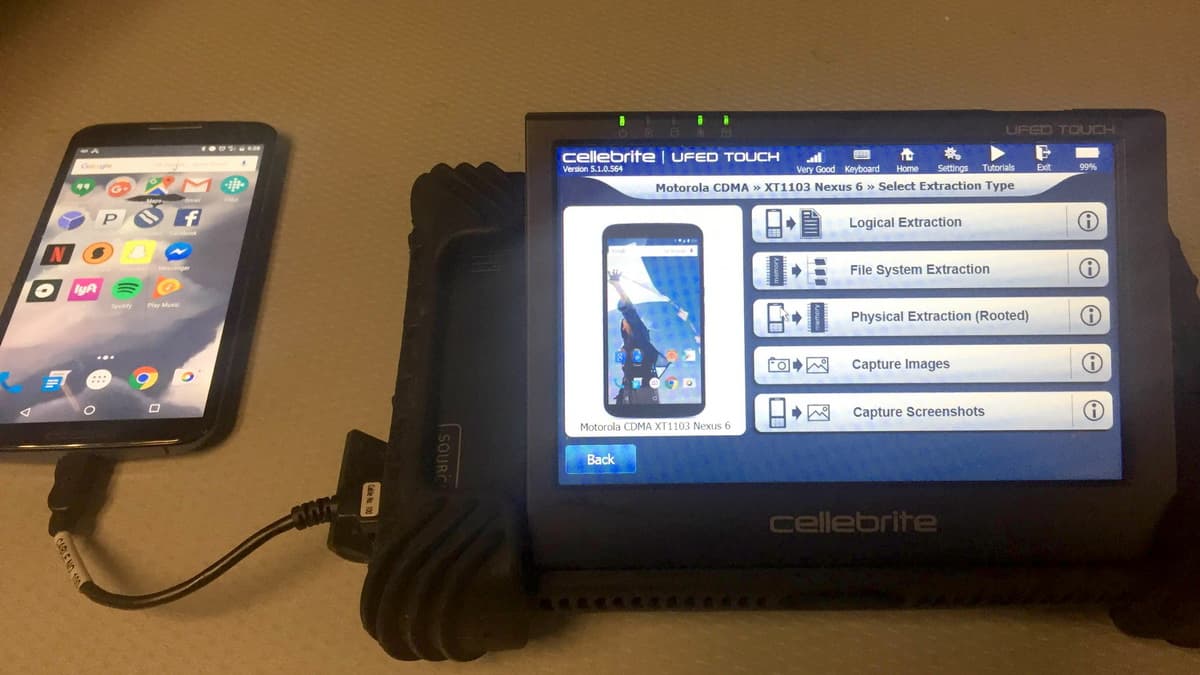
A recent leak by an anonymous whistleblower, known as rogueFed, has exposed confidential briefing materials from Cellebrite, a leading digital forensics firm. The leaked documents, shared via screenshots, reveal specific vulnerabilities in various Google Pixel models that can be exploited by Cellebrite's hacking tools. Notably, the leak highlights that GrapheneOS, a privacy-focused custom Android OS, provides superior protection against such exploits compared to Google's standard Android OS.
Technical Context and Implications: Cellebrite's tools are widely used by law enforcement agencies for digital forensics and data extraction from mobile devices. The leaked briefing indicates that certain Google Pixel models have vulnerabilities that can be exploited to bypass security measures and extract sensitive data. This revelation is critical for cybersecurity professionals, as it underscores the potential risks associated with using standard Android OS on these devices.
The leak also emphasizes the robustness of GrapheneOS, which is designed with enhanced security features such as stricter sandboxing, reduced attack surface, and more granular control over permissions. This suggests that the vulnerabilities in Google Pixel models might be related to the Android OS's default configurations or specific hardware weaknesses that GrapheneOS mitigates through its security-hardened design.
Impact on Cybersecurity Landscape: The disclosure of these vulnerabilities has significant implications for both individual users and organizations. For cybersecurity professionals, this leak serves as a reminder of the importance of using hardened operating systems and keeping devices updated with the latest security patches. It also highlights the need for continuous monitoring and evaluation of mobile device security, particularly for high-risk individuals or organizations handling sensitive data.
Expert Insights: From a cybersecurity perspective, this leak underscores the ongoing cat-and-mouse game between device manufacturers, security researchers, and forensic tool developers. While Google's Pixel devices are generally considered secure, the revelation that Cellebrite's tools can exploit specific vulnerabilities is a cause for concern. The fact that GrapheneOS offers better protection suggests that organizations and individuals should consider adopting more secure operating systems to mitigate such risks.
Actionable Intelligence: Organizations using Google Pixel devices should evaluate their security posture and consider implementing additional protective measures, such as using GrapheneOS or other hardened operating systems. Regular security audits and updates are essential to mitigate the risks posed by such vulnerabilities. Additionally, this leak could prompt Google to accelerate its efforts to address these vulnerabilities and enhance the security of its Pixel devices.