
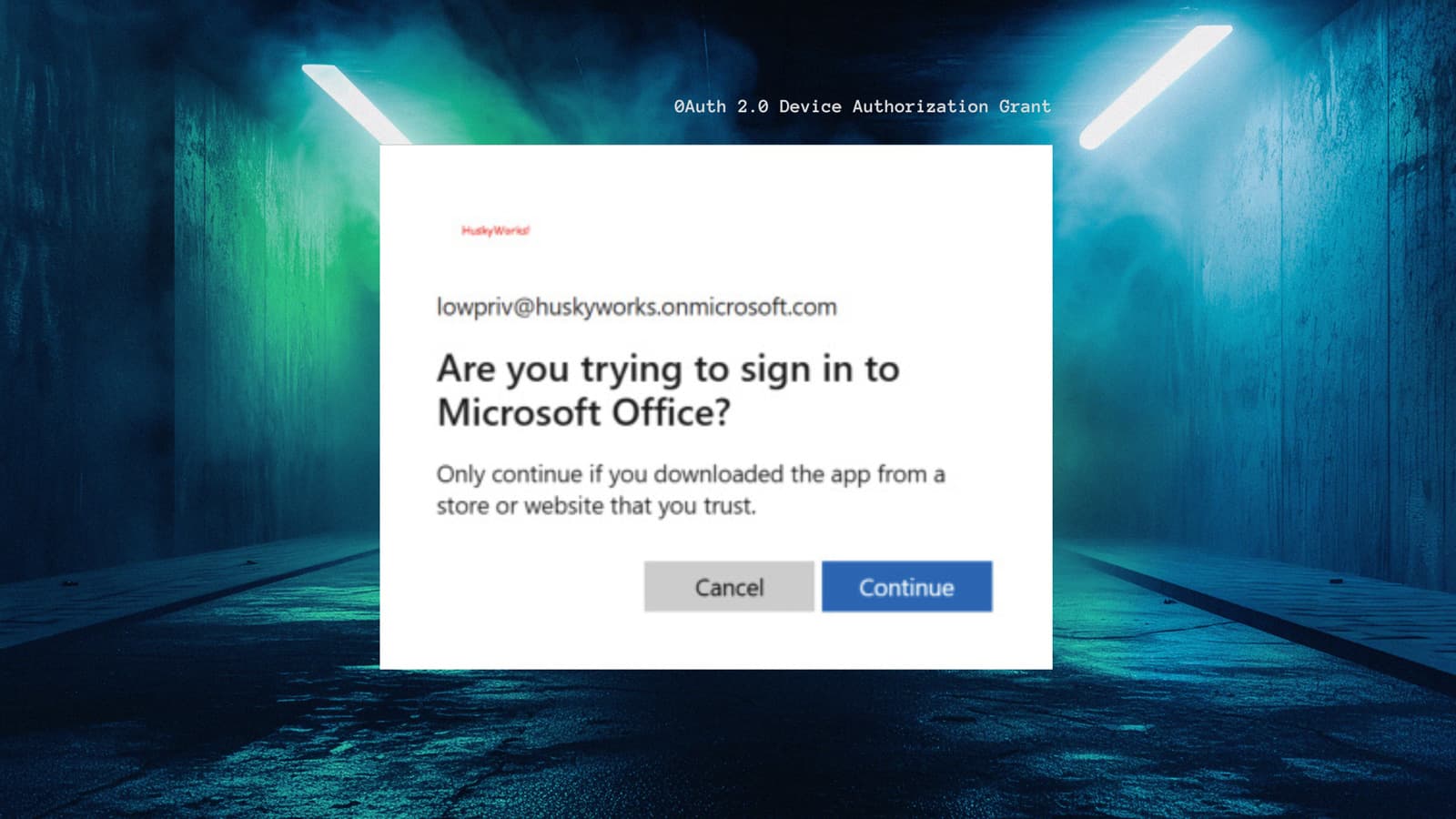
OAuth Device Code Phishing: Comparing Attack Surfaces in Google and Azure
The BleepingComputer article provides a comparative analysis of the attack surfaces in the OAuth device code flows of Google and Azure. The OAuth device code flow is designed for devices with limited input capabilities, making it a target for phishing attacks. Attackers exploit this flow by tricking users into entering device codes on malicious sites, thereby gaining unauthorized access to their accounts. The article highlights key differences in the attack surfaces of Google and Azure. For instance, Google's implementation might have certain characteristics that make it more or less vulnerable to phishing attacks compared to Azure. The article also references an identity security assessment by Huntress Labs, which evaluates the security measures in place and identifies potential areas for improvement. From a technical perspective, the OAuth device code flow is inherently vulnerable due to its reliance on user interaction. Attackers can create convincing phishing sites that mimic legitimate authentication pages, exploiting the trust users place in these platforms. The differences in attack surfaces between Google and Azure highlight the need for platform-specific security measures. For cybersecurity professionals, understanding these vulnerabilities is crucial for developing effective defense strategies. Organizations should consider implementing additional verification steps, monitoring for unusual device code requests, and educating users about the risks of phishing attacks. In conclusion, the article underscores the importance of robust security measures in OAuth device code flows and the necessity of continuous evaluation and improvement of these measures to combat evolving phishing tactics.