
China-Linked UNC6384 Exploits Windows Zero-Day to Spy on European Diplomats
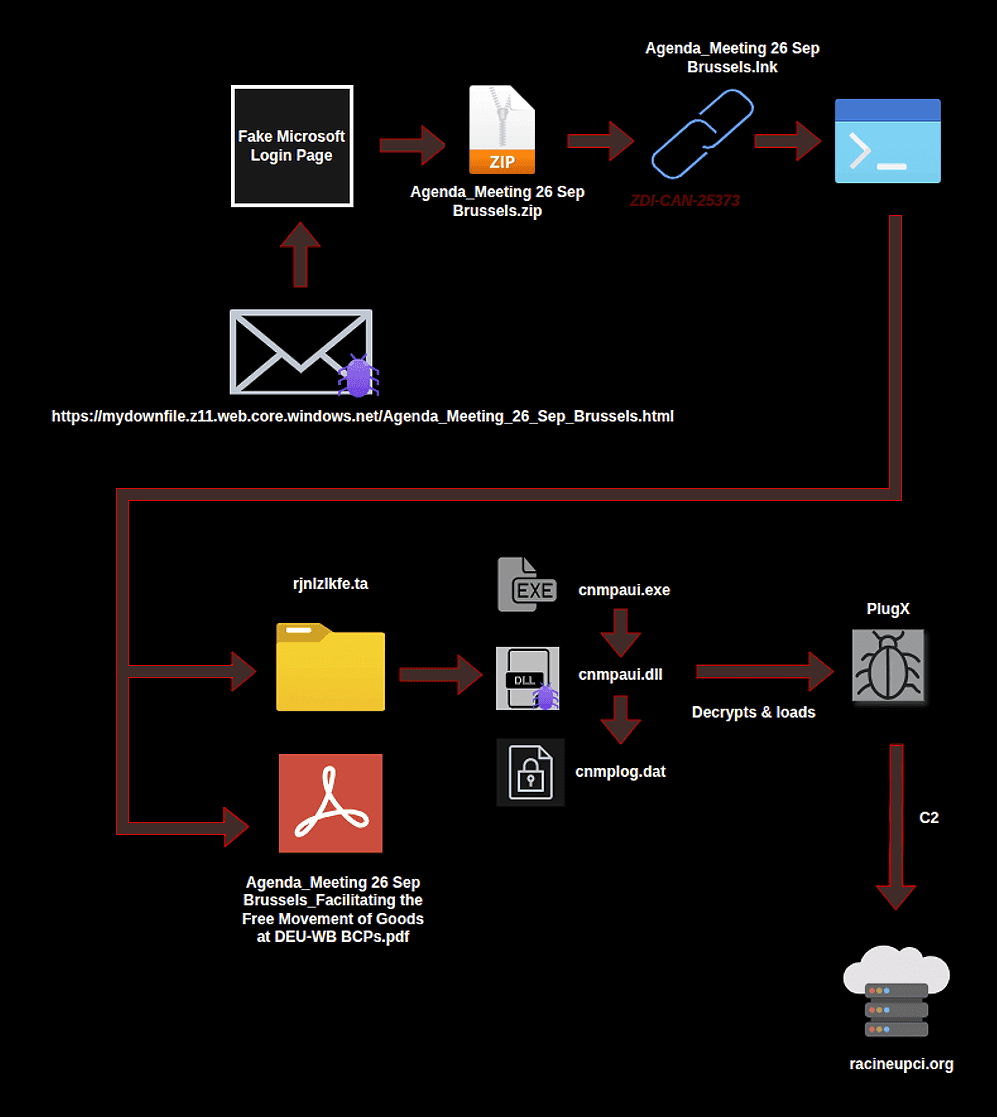
The cyberespionage group UNC6384, linked to China, has been actively exploiting a zero-day vulnerability in Windows to target diplomatic entities in Hungary, Belgium, and other EU nations. This campaign, discovered by Arctic Wolf Labs, marks a significant expansion of UNC6384's operations beyond Southeast Asia, indicating a broader strategic focus. The use of a zero-day exploit underscores the sophistication of this threat actor. Zero-day vulnerabilities are particularly dangerous as they are unknown to the vendor and thus unpatched, making them highly effective for initial access and privilege escalation. The targeting of diplomatic entities suggests a focus on intelligence gathering, which could have significant geopolitical implications. This campaign highlights several critical cybersecurity considerations. Firstly, the need for advanced threat detection capabilities is paramount. Organizations, especially those in sensitive sectors, must invest in robust monitoring and anomaly detection systems to identify and respond to such threats promptly. Secondly, while zero-day exploits are unpatched by definition, maintaining a rigorous patch management process is essential. Once a patch is released, organizations must apply it swiftly to mitigate the risk of exploitation. Thirdly, the involvement of a state-sponsored actor like UNC6384 underscores the importance of understanding the geopolitical landscape. Cybersecurity professionals must stay informed about state-sponsored activities and their potential impact on their organizations. From a practical standpoint, this incident emphasizes the need for continuous monitoring, threat intelligence sharing, and robust incident response planning. Organizations should also consider implementing additional security measures such as network segmentation, multi-factor authentication, and regular security audits to enhance their defense against sophisticated threats. In conclusion, the UNC6384 campaign serves as a stark reminder of the evolving threat landscape and the need for proactive cybersecurity measures. By staying informed and implementing robust security practices, organizations can better protect themselves against such advanced threats.