
Zimperium zLabs Uncovers Over 760 Malicious Android Apps Exploiting NFC and HCE for Payment Fraud
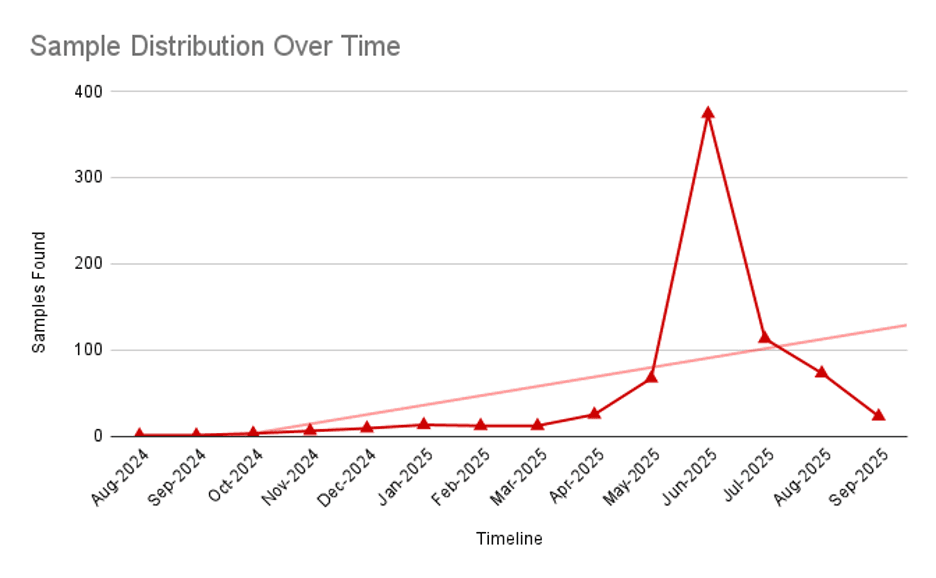
Zimperium zLabs has uncovered a significant threat to mobile payment security, identifying over 760 malicious Android applications that exploit NFC and HCE technologies to steal payment data. This discovery highlights a rapid increase in NFC relay attacks since April 2024, posing a serious risk to users of contactless payment systems.
NFC and HCE are integral to mobile payment solutions, enabling convenient and secure transactions. However, malicious actors are exploiting these technologies to intercept and relay payment information, leading to unauthorized transactions and financial fraud. The scale of this threat, with over 760 malicious apps identified, underscores the urgency for enhanced security measures in mobile payment applications.
The rise in NFC relay attacks indicates that attackers are finding innovative ways to bypass traditional security measures. This trend highlights the need for continuous monitoring and updating of security protocols to protect against evolving threats. Mobile payment systems must implement stronger authentication mechanisms, such as biometric verification and two-factor authentication, to mitigate these risks.
For cybersecurity professionals, this discovery serves as a critical reminder of the importance of regular security audits and updates. Organizations should ensure that their mobile payment applications are not vulnerable to NFC relay attacks by implementing secure communication protocols. Additionally, users should be educated about the risks of downloading apps from untrusted sources and the importance of keeping their devices updated.
In conclusion, the discovery by Zimperium zLabs of over 760 malicious Android apps exploiting NFC and HCE technologies highlights a growing trend in mobile payment fraud. Cybersecurity professionals must take proactive measures to protect against these threats, including implementing stronger authentication mechanisms and conducting regular security audits.