
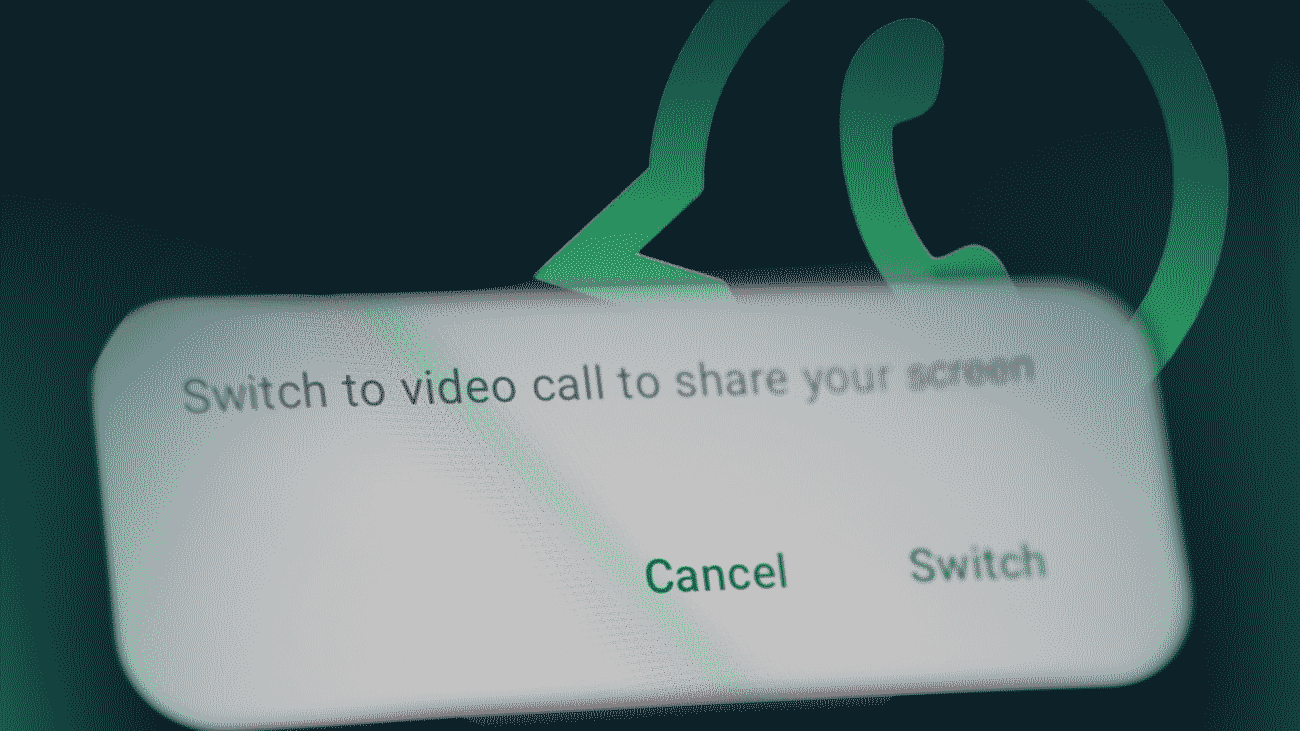
New WhatsApp Screen Sharing Scam Exposes Financial Data and Sensitive Information
A new scam targeting WhatsApp users has emerged, exploiting the platform's screen sharing feature to gain access to financial data and other sensitive information. This scam, which is spreading rapidly, uses phishing techniques to trick users into sharing their screens under the guise of resolving technical issues or receiving payments. Once the screen is shared, attackers can view and potentially capture sensitive information such as banking credentials and passwords, leading to financial loss and privacy breaches.
The technical context of this scam involves the misuse of a legitimate feature—screen sharing—for malicious purposes. Screen sharing is commonly used for remote assistance and collaboration, but in this case, it is being exploited by cybercriminals to gain unauthorized access to sensitive data. The attack vector relies heavily on social engineering, specifically phishing, where users are manipulated into performing actions that compromise their security.
The implications for the cybersecurity landscape are significant. This scam highlights the evolving nature of social engineering attacks, where cybercriminals continuously adapt their tactics to exploit user trust and manipulate them into compromising their own security. It underscores the critical importance of user education and awareness in mitigating such threats. Users must be made aware of the risks associated with screen sharing and other features that can be exploited by attackers.
From a technical perspective, organizations and individuals should implement robust security measures to mitigate the risk of such scams. This includes educating users about the dangers of screen sharing and the importance of verifying the legitimacy of requests before sharing sensitive information. Additionally, implementing strict access controls and monitoring for unusual activity can help detect and prevent unauthorized access.
In terms of actionable intelligence, cybersecurity professionals should be vigilant in monitoring for signs of this scam and take proactive steps to educate users about the risks. This could involve conducting regular security awareness training sessions, implementing multi-factor authentication (MFA) to add an extra layer of security, and deploying advanced threat detection and response solutions to identify and mitigate potential threats.
The impact of this scam extends beyond individual users to organizations that may be targeted through their employees. Financial loss and privacy breaches can have severe consequences for both individuals and organizations, including reputational damage and regulatory penalties.
In conclusion, the emergence of this WhatsApp screen sharing scam underscores the need for continuous vigilance and proactive security measures. By staying informed about the latest threats and implementing robust security practices, individuals and organizations can better protect themselves against such attacks.