
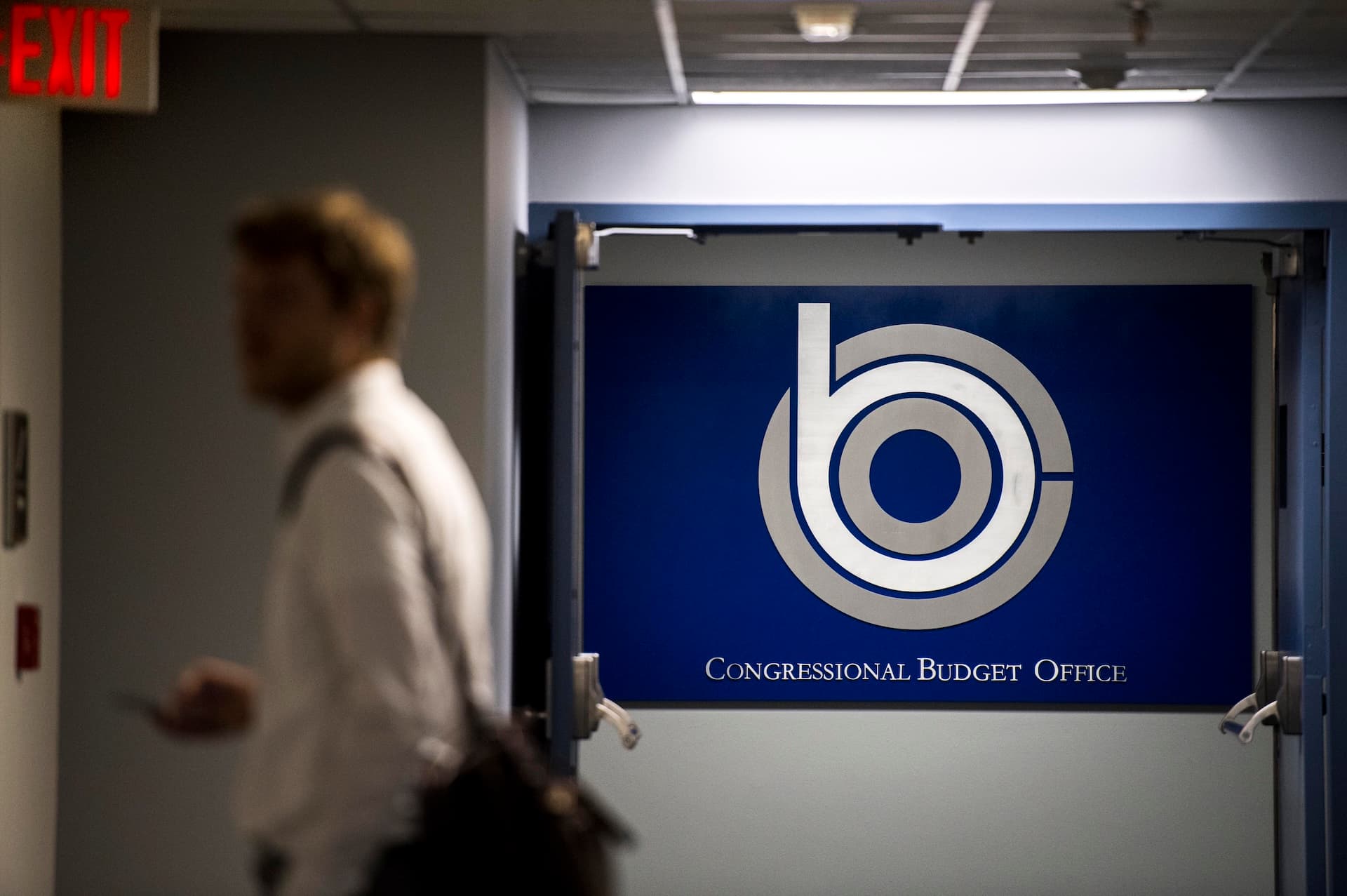
Suspected Foreign Hackers Breach Congressional Budget Office Systems
A recent cybersecurity incident involving the Congressional Budget Office (CBO) has raised significant concerns about the security of sensitive communications between federal agencies and legislators. According to a report by Cyberscoop, suspected foreign hackers successfully breached the CBO's systems, potentially exposing confidential exchanges with members of Congress. This breach underscores the critical need for robust cybersecurity measures within government agencies, particularly those handling sensitive legislative and economic data. The CBO plays a pivotal role in providing nonpartisan budgetary and economic analysis to Congress. The breach could have far-reaching implications, including the exposure of sensitive information related to budgetary decisions, economic forecasts, and legislative strategies. The involvement of foreign actors suggests potential espionage activities aimed at gaining insights into U.S. legislative and economic processes, posing a significant threat to national security. From a technical standpoint, the breach highlights vulnerabilities in the cybersecurity posture of federal agencies. It underscores the importance of implementing comprehensive security measures, such as multi-factor authentication (MFA), advanced endpoint protection, and robust incident response plans. The CBO should conduct a thorough forensic analysis to assess the extent of the compromise and implement remediation measures to prevent future incidents. The incident also highlights the evolving threat landscape, where state-sponsored actors are increasingly targeting government agencies to gather intelligence. This breach serves as a wake-up call for federal agencies to enhance their cybersecurity defenses and collaborate with other agencies and cybersecurity firms to mitigate threats effectively. In conclusion, the breach of the CBO's systems by suspected foreign hackers underscores the urgent need for improved cybersecurity measures within government agencies. It highlights the importance of proactive threat intelligence, robust incident response plans, and continuous monitoring to detect and respond to advanced persistent threats (APTs). Federal agencies must prioritize cybersecurity to protect sensitive information and maintain the integrity of legislative processes.