
Google Warns of Self-Modifying AI Malware: A New Threat Landscape
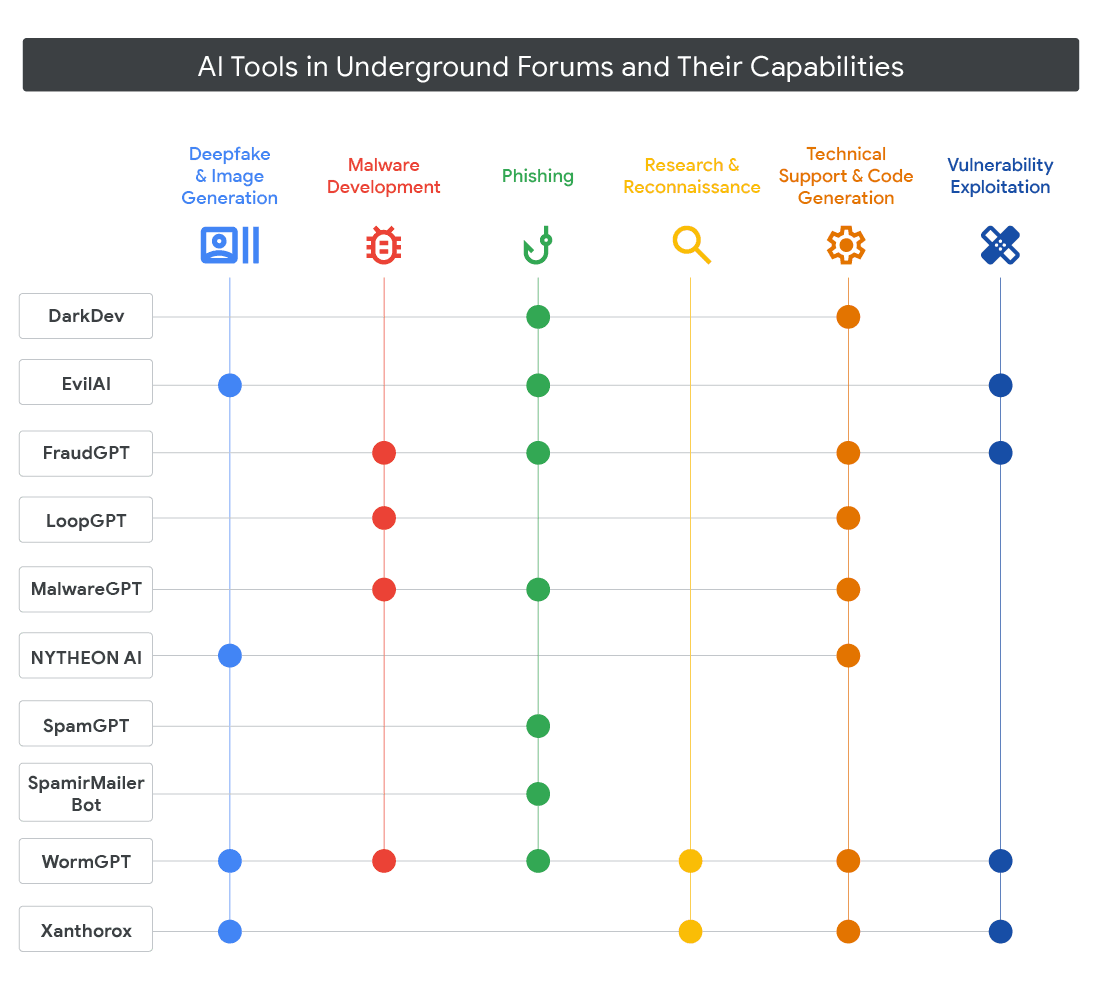
Google's Threat Intelligence Group (GTIG) has issued a warning about a new generation of malware that leverages artificial intelligence (AI) to modify its code, adapt its behavior, and collect data in real-time during execution. This development represents a significant evolution in malware capabilities, making traditional detection methods less effective. The use of AI in malware introduces several technical challenges. Firstly, the dynamic nature of these malwares makes them more adept at evading signature-based detection systems. Secondly, their adaptive behavior allows them to respond to environmental changes, enhancing their resilience. Lastly, the ability to collect and exfiltrate data in real-time increases the efficiency and speed of data theft. This shift in the threat landscape necessitates a corresponding evolution in cybersecurity defenses. Traditional antivirus solutions and intrusion detection systems may no longer be sufficient. Instead, cybersecurity professionals must adopt more advanced techniques such as behavioral analysis and AI-driven defense mechanisms. Continuous monitoring and real-time threat intelligence sharing are also crucial to detect and respond to these adaptive threats. From an expert perspective, the use of AI by malware authors underscores the accelerating arms race between attackers and defenders. Organizations must invest in advanced threat detection and response capabilities to mitigate these evolving threats. Training and awareness programs should be updated to include recognition and response strategies for AI-driven threats. In conclusion, the emergence of self-modifying AI malware highlights the need for a proactive and adaptive approach to cybersecurity. By leveraging advanced detection techniques and AI-driven defenses, organizations can better protect themselves against this new wave of sophisticated threats.