
U.S. Congress Urges Executive Strategy on Chinese 6G and Tech Supply Chain Risks
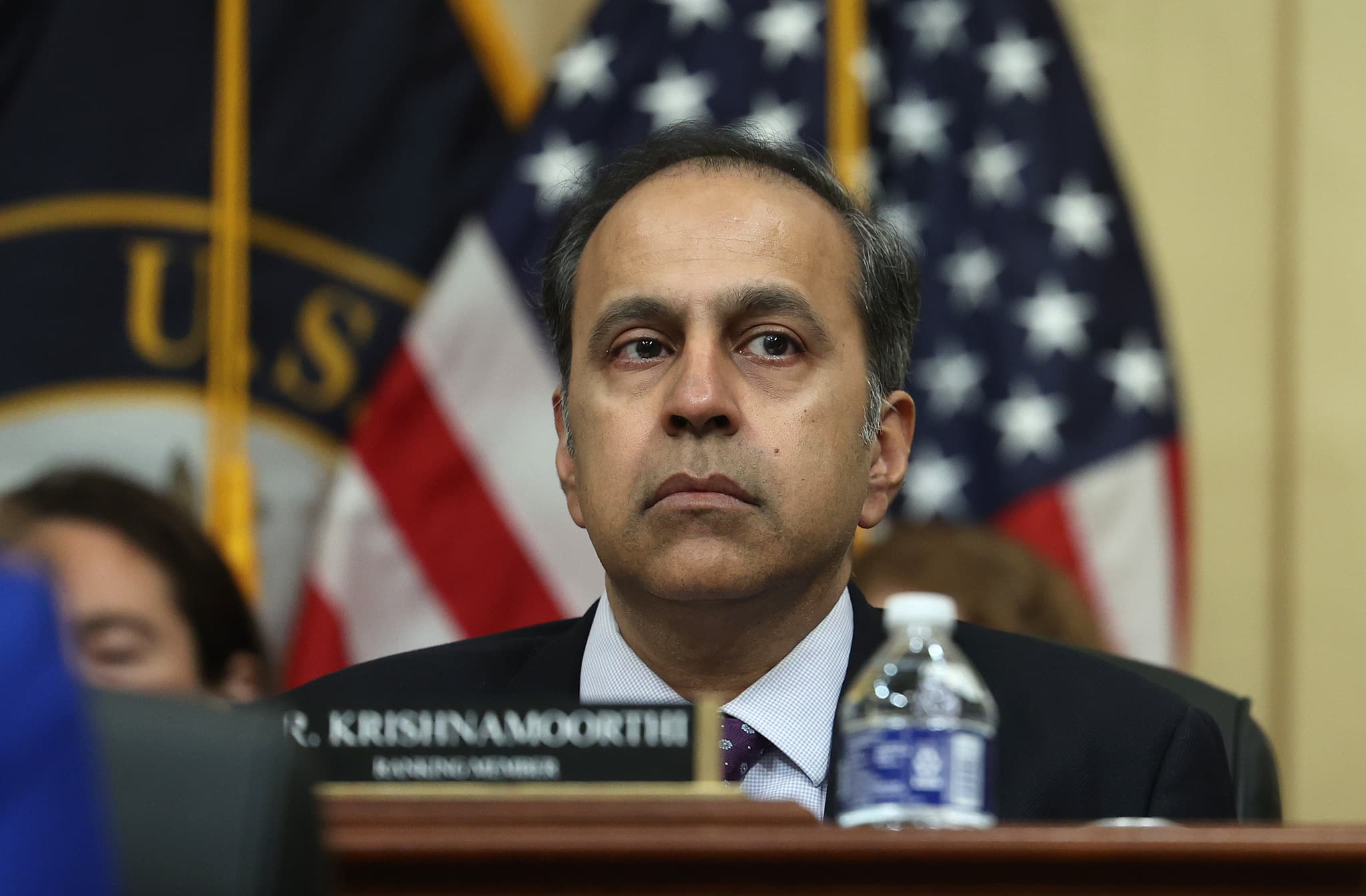
U.S. Congress leaders, including Representative Raja Krishnamoorthi, are urging the executive branch to develop a comprehensive strategy to address the risks associated with Chinese involvement in 6G technology and the tech supply chain. This move is driven by the need to learn from past mistakes related to 5G and to proactively anticipate future cybersecurity and geopolitical challenges in telecommunications. The push for a strategy highlights several critical areas. First, the cybersecurity risks associated with 6G are significant due to the increased connectivity and integration with IoT devices. The supply chain is a critical area where vulnerabilities can be introduced, making supply chain security a top priority. Second, the geopolitical tensions surrounding Chinese involvement in the tech supply chain remain a contentious issue. The U.S. aims to limit the influence of Chinese tech companies in critical infrastructure to mitigate potential risks. The impact on the cybersecurity landscape is substantial. The focus on proactive measures suggests a shift towards early intervention, which could involve setting up new regulations, standards, and frameworks for 6G. International cooperation will be essential, given the global nature of telecommunications. The U.S. will likely collaborate with allies to develop a cohesive strategy that ensures cybersecurity and supply chain resilience. From an expert perspective, the lessons learned from 5G are crucial. Past issues, such as the ban on Huawei equipment in some countries, underscore the importance of early intervention. Building a resilient supply chain is critical and may involve diversifying suppliers, investing in domestic production, and ensuring robust security measures. New policies and regulations might be needed to address the unique challenges of 6G, including stricter vetting processes for suppliers and more rigorous security standards. For organizations involved in telecommunications, actionable intelligence includes conducting risk assessments to understand the supply chain and potential vulnerabilities. Collaboration between government agencies, private sector companies, and international partners will be crucial. Sharing threat intelligence and best practices can help mitigate risks. Additionally, investing in research and development for secure 6G technology is essential. This includes developing secure protocols and ensuring that new technologies are designed with security in mind. In conclusion, the proactive stance of U.S. lawmakers in addressing the potential risks associated with 6G technology and the tech supply chain is a significant step towards ensuring cybersecurity, supply chain resilience, and geopolitical stability. By learning from past mistakes and developing a comprehensive strategy, the U.S. aims to stay ahead of potential threats and maintain its leadership in telecommunications technology.