
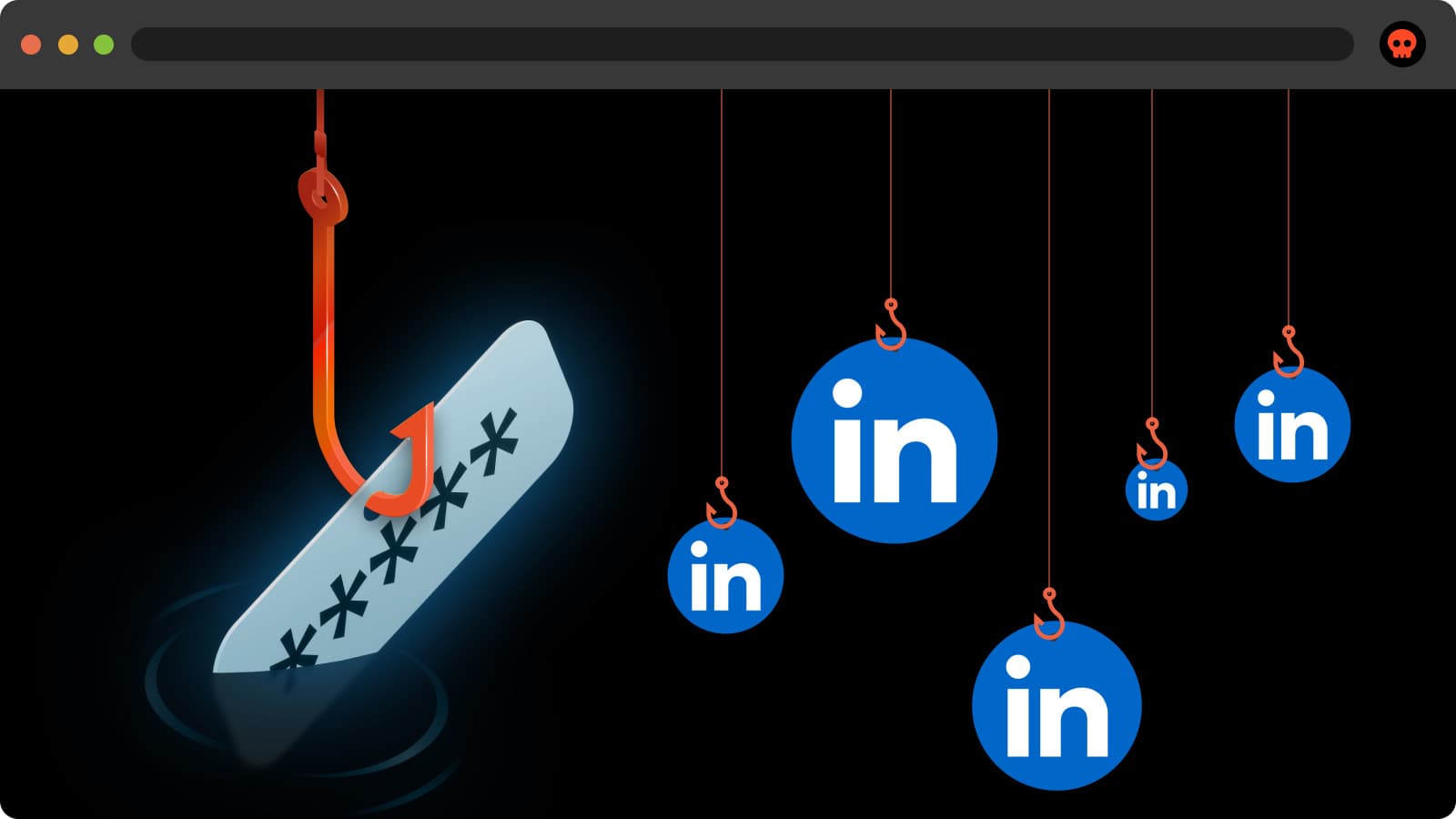
LinkedIn Phishing Attacks on the Rise: Targeting Executives and Bypassing Email Security
Attackers are increasingly leveraging LinkedIn for phishing campaigns targeting executives, circumventing traditional email security measures. This shift underscores the evolving tactics of cybercriminals who exploit professional networking platforms to gain access to high-value targets. According to a recent report by BleepingComputer, LinkedIn's professional environment provides attackers with a fertile ground for social engineering, as users are more likely to trust messages and connection requests from seemingly legitimate profiles.
The technical implications of this trend are significant. Traditional email security tools, which rely on filtering malicious emails, are ineffective against phishing attacks conducted via LinkedIn. These attacks often involve sophisticated social engineering techniques, such as impersonating trusted contacts or creating fake job offers to lure victims into clicking malicious links. Once a user interacts with these links, attackers can deploy malware, steal credentials, or initiate other malicious activities.
The impact on the cybersecurity landscape is profound. Organizations must recognize that phishing attacks are no longer confined to email. As attackers diversify their methods, security strategies must evolve to encompass a broader range of platforms and channels. Real-time browser protection solutions, such as those offered by Push Security, are becoming essential. These tools can detect and block malicious pages as they are loaded, providing an additional layer of defense against phishing attempts.
From an expert perspective, it is crucial for organizations to implement multi-layered security approaches. This includes not only advanced technical solutions but also comprehensive user education programs. Executives and employees should be trained to identify and report suspicious activities on LinkedIn and other social media platforms. Additionally, organizations should consider deploying security solutions that offer real-time monitoring and protection across various applications and channels.
In conclusion, the rise of LinkedIn phishing attacks highlights the need for a proactive and adaptive cybersecurity strategy. By combining advanced technical solutions with user awareness and education, organizations can better protect themselves against these evolving threats.