
Expiration of Cybersecurity Information Sharing Act Poses Risks to Vulnerability Research, Warns Senator
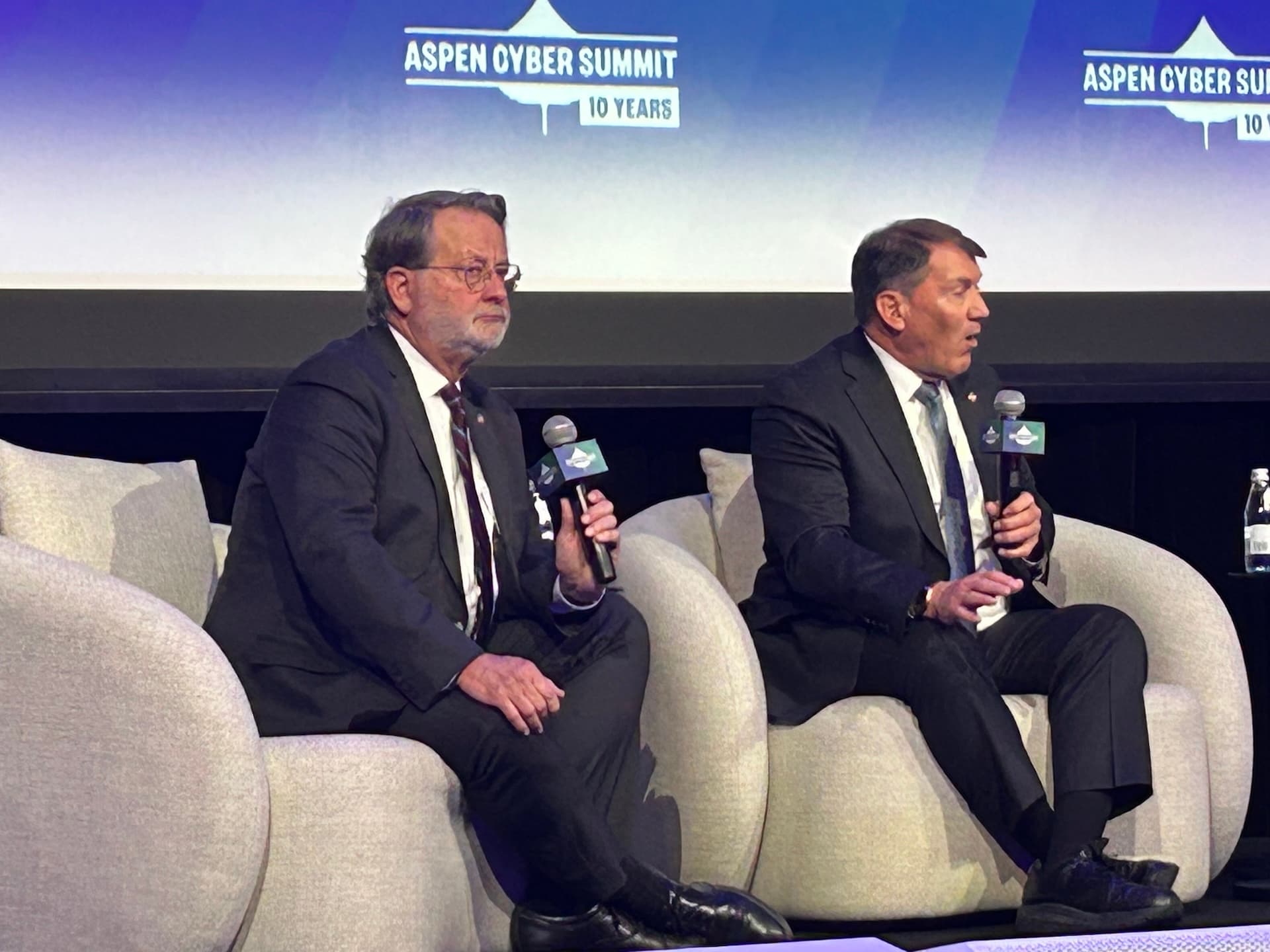
The potential expiration of the Cybersecurity Information Sharing Act (CISA) could significantly impact the government's ability to identify and mitigate cyber vulnerabilities. CISA, which facilitates the sharing of cyber threat information between the government and private sector, is currently in limbo after a short-term extension. Senator Mike Rounds, a member of the Senate Armed Services Committee and the Senate Homeland Security and Governmental Affairs Committee, has expressed concerns about the potential lapse. Senators Gary Peters and Rand Paul are also involved in the discussions surrounding the law's future.
The expiration of CISA could disrupt the flow of critical cyber threat information, hindering the government's efforts to protect against cyber threats. This law has been instrumental in fostering collaboration between public and private entities, enabling a more comprehensive and proactive approach to cybersecurity. Without it, there could be gaps in threat intelligence, making it harder to defend against emerging cyber threats.
From a technical standpoint, the loss of CISA could lead to a decrease in the effectiveness of cybersecurity measures. Organizations rely on timely and accurate threat intelligence to identify and mitigate vulnerabilities. The disruption of this information flow could leave both government and private sector entities more vulnerable to cyber attacks.
Expert insights suggest that policymakers need to act swiftly to renew and update CISA to address evolving cyber threats. Organizations should also prepare for potential disruptions in threat intelligence sharing by enhancing their internal threat detection capabilities and exploring alternative sources of threat intelligence.
In conclusion, the expiration of CISA poses significant risks to the cybersecurity landscape. It is crucial for policymakers to ensure the continuity of this law to maintain effective cybersecurity measures and protect against emerging threats.