
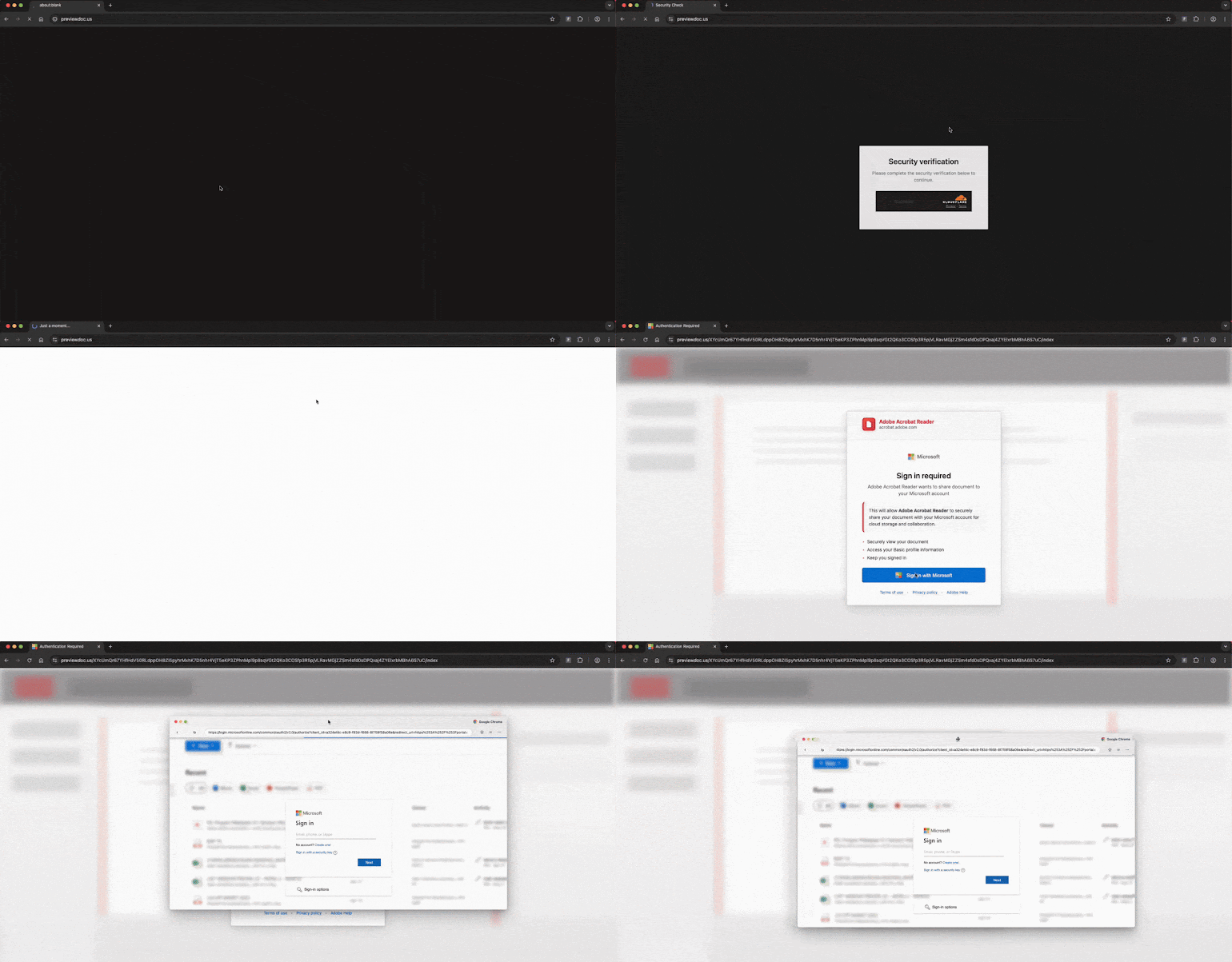
Advanced Phishing Threat: Sneaky 2FA Kit Adopts Browser-in-the-Browser Tactics
The integration of Browser-in-the-Browser (BitB) functionality into the Sneaky 2FA Phishing-as-a-Service (PhaaS) kit represents a significant evolution in phishing attack capabilities. This development, reported by Push Security and covered by The Hacker News, demonstrates how threat actors continue to refine their tactics to bypass security controls and deceive users. Browser-in-the-Browser attacks involve creating fake browser windows within a legitimate browser session. These pop-ups mimic the appearance of a real browser window, including the address bar, making it extremely difficult for users to distinguish between legitimate and malicious content. When combined with a PhaaS model like Sneaky 2FA, this technique becomes accessible to a broader range of threat actors, including those with limited technical skills. The implications for cybersecurity are substantial. First, the effectiveness of phishing attacks is likely to increase as BitB makes them more convincing. Traditional phishing indicators, such as checking the URL in the address bar, become unreliable when attackers can fake this element. Second, the PhaaS model enables large-scale attacks by multiple threat actors, potentially leading to a surge in phishing incidents. For cybersecurity professionals, this development underscores the need for enhanced phishing defenses. User education must evolve to include awareness of BitB techniques, emphasizing the importance of verifying browser windows and pop-ups. Technical controls should be updated to detect and block BitB attacks, possibly through behavioral analysis or browser extensions designed to identify fake windows. Additionally, organizations should review their incident response plans to ensure they can effectively handle an increase in sophisticated phishing attacks. Monitoring for unusual browser behavior and implementing multi-layered authentication processes can help mitigate the risk posed by these advanced phishing techniques. In conclusion, the integration of BitB into the Sneaky 2FA PhaaS kit highlights the ongoing arms race between cybercriminals and defenders. Cybersecurity professionals must stay informed about these evolving threats and adapt their defenses accordingly to protect their organizations from increasingly sophisticated phishing attacks.