
New Android Banking Trojan Sturnus Targets Secure Messaging Apps with Advanced Capabilities
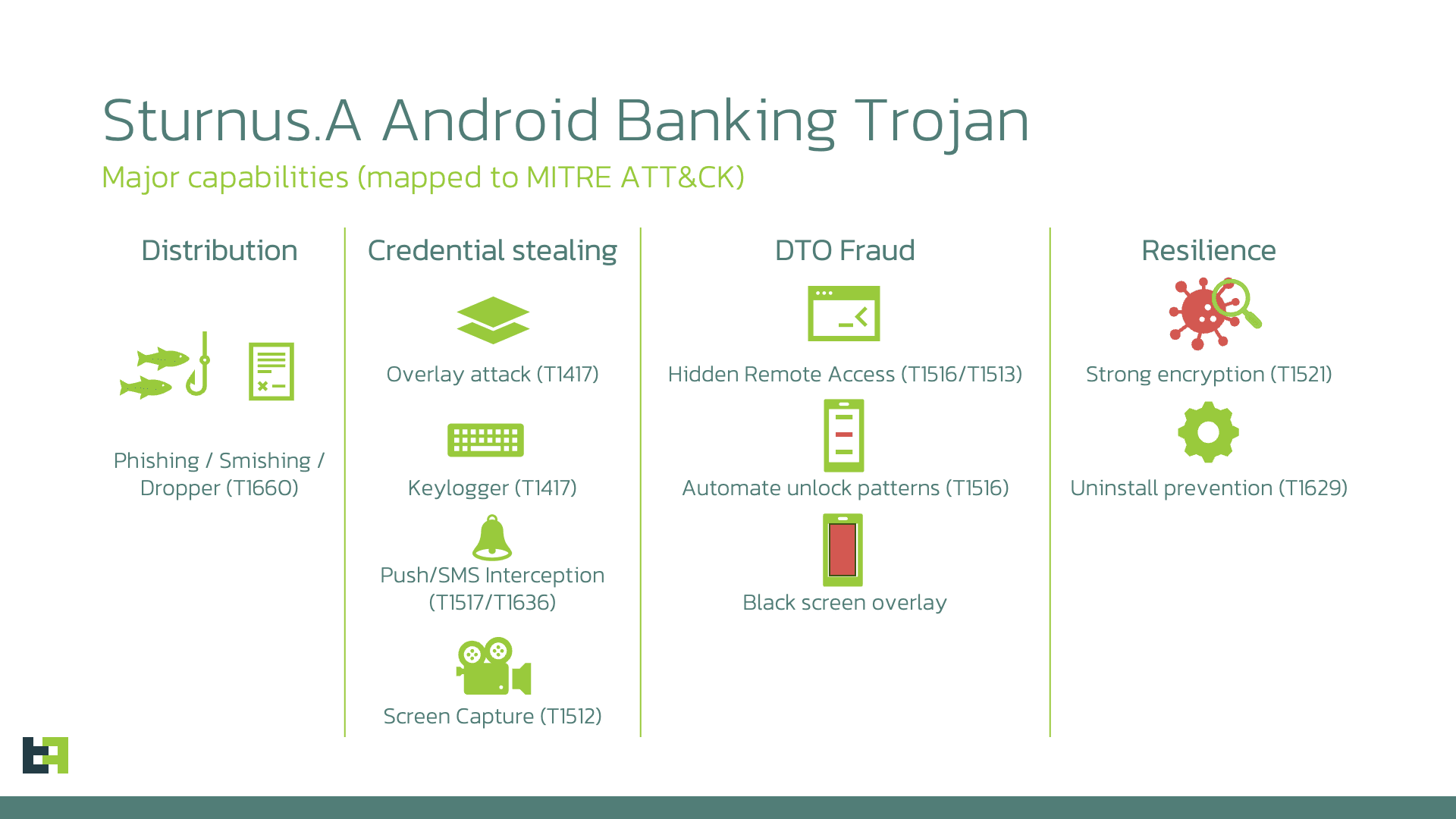
A new Android banking Trojan named Sturnus has emerged, targeting secure messaging applications such as WhatsApp, Telegram, and Signal. According to an analysis by ThreatFabric, Sturnus possesses advanced capabilities, including full device takeover, bypassing message encryption by capturing screen content, stealing banking credentials, remote control, and hiding fraudulent actions from the user. This malware represents a significant evolution in the threat landscape, as it directly targets applications known for their end-to-end encryption, which are widely used for secure communications.
Android banking Trojans are a well-known threat, but Sturnus stands out due to its ability to capture screen content, thereby bypassing the encryption of secure messaging apps. This technique allows the malware to intercept sensitive information displayed on the screen, including banking details and personal messages. The ability to control the device remotely and hide its activities from the user makes Sturnus particularly dangerous, as victims may remain unaware of the compromise.
The implications for the cybersecurity landscape are substantial. The emergence of Sturnus highlights the need for multi-layered security measures, including robust endpoint protection and user awareness. Secure messaging apps, which are often considered safe due to their encryption, are now being targeted by sophisticated malware. This underscores the importance of not relying solely on encryption for security but also implementing additional protective measures.
From an expert perspective, the rise of Sturnus and similar malware emphasizes the need for continuous vigilance and proactive security measures. Organizations and individuals should ensure their devices are protected with up-to-date security software and avoid downloading apps from untrusted sources. Regular security audits and user training can also help mitigate the risk of such malware. Additionally, monitoring for unusual device behavior and implementing advanced threat detection solutions can help identify and respond to potential compromises.
In conclusion, the emergence of Sturnus represents a significant threat to mobile security, particularly for users of secure messaging apps. By understanding its capabilities and implementing robust security measures, organizations and individuals can better protect themselves against this and similar threats.