
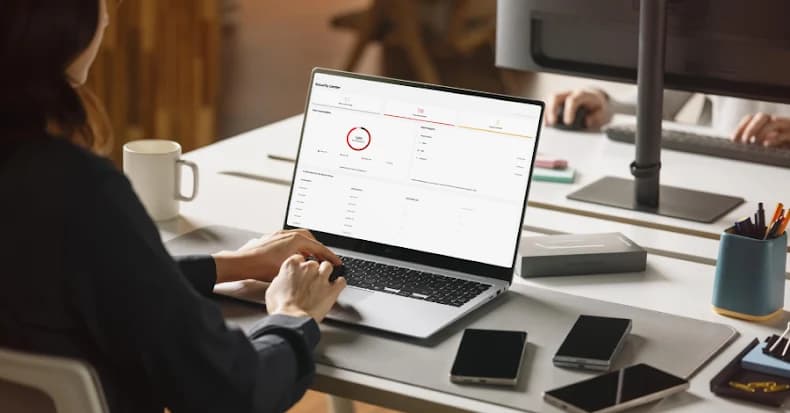
Future Trends: Why IT Admins Are Choosing Samsung for Mobile Security
As mobile devices continue to dominate the modern workplace, IT administrators face the ongoing challenge of securing sensitive data while maintaining employee productivity. A growing number of enterprises are turning to Samsung for mobile security solutions that address these dual priorities. According to a recent article from The Hacker News, Samsung’s offerings are increasingly favored by IT teams for their ability to balance robust data protection with seamless user experience. While the specific features of Samsung’s mobile security solutions are not detailed in the message, it is reasonable to infer that they include advanced encryption, secure boot processes, and comprehensive mobile device management (MDM) capabilities. These features are critical for mitigating risks such as data breaches, unauthorized access, and malware infections, which are prevalent in mobile environments. Samsung’s integrated approach reduces the reliance on third-party security tools, thereby simplifying IT management and enhancing overall security posture. The broader implication for the cybersecurity landscape is that organizations are increasingly seeking unified security solutions that minimize complexity while maximizing protection. Samsung’s approach aligns with this trend by offering built-in security features that streamline IT operations and improve security effectiveness. This shift is particularly relevant as mobile devices become more integral to business operations and, consequently, more attractive targets for cyber threats. For cybersecurity professionals, the key insight is that Samsung’s mobile security solutions provide a strong foundation for securing enterprise mobile devices. However, a comprehensive mobile security strategy should also include regular security audits, employee training on mobile security best practices, and continuous monitoring of device activity. Additionally, integrating Samsung’s solutions with broader enterprise security frameworks can provide a more holistic view of the organization’s security posture. Looking ahead, the adoption of Samsung’s mobile security solutions is likely to grow as organizations prioritize integrated, user-friendly security measures. By leveraging these solutions, IT teams can better protect sensitive data while ensuring that employees remain productive. However, as mobile threats continue to evolve, a layered security strategy that combines built-in protections with proactive security measures will remain essential. In conclusion, Samsung’s mobile security solutions offer IT teams a way to address the dual challenges of data protection and productivity. As mobile devices play an increasingly central role in business operations, Samsung’s integrated security approach positions it as a key player in the enterprise mobile security market. However, organizations must continue to adopt a holistic approach to mobile security, combining built-in protections with proactive security practices to defend against emerging threats.