
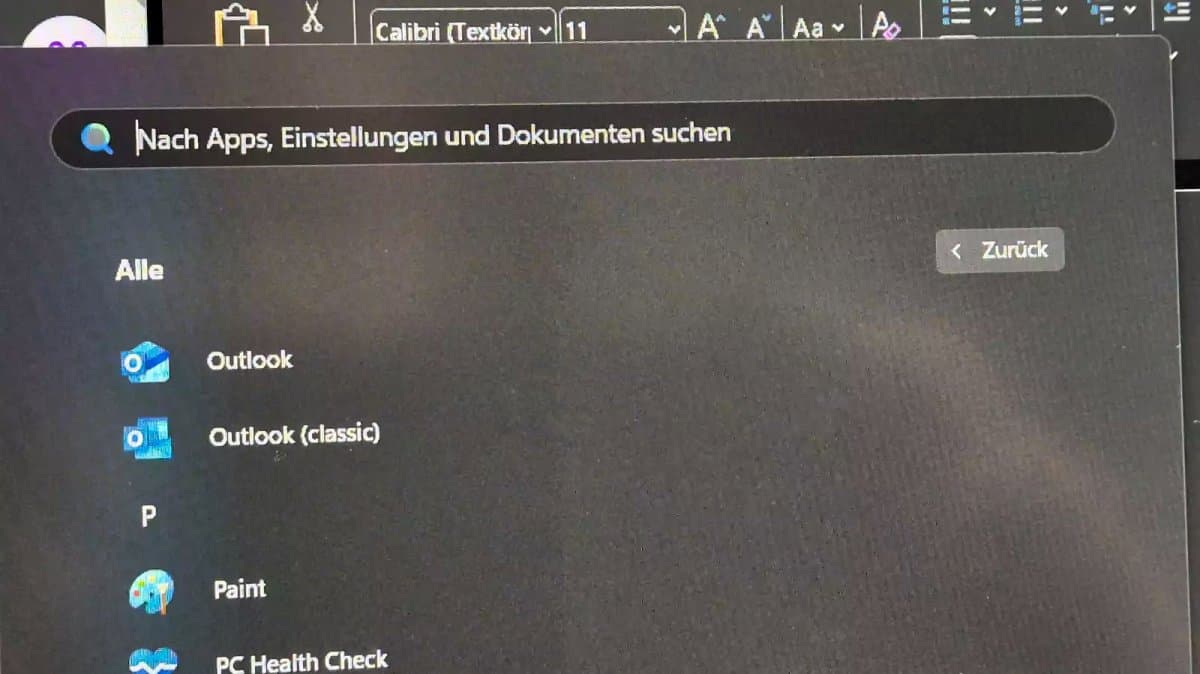
New Outlook's Web-Based Architecture: Data Transfer and Privacy Considerations
The new Outlook, based on web services, represents a significant architectural shift from the classic version by transferring access data and emails to Microsoft's servers. This change raises important cybersecurity considerations. Unlike the classic Outlook, which stored data locally, the new version relies on cloud-based storage and processing. This shift means that sensitive data, including emails and access credentials, are now stored and managed on Microsoft's servers. For cybersecurity professionals, this change necessitates a reassessment of data security policies and compliance with regulations such as GDPR. The transfer of data to remote servers introduces potential risks related to data privacy, security of data in transit and at rest, and vulnerability to breaches. Organizations must ensure that Microsoft's security measures, including encryption methods and access controls, are robust and align with their security standards. The availability of classic Outlook until 2029 provides a transition period, but organizations should start planning for the shift to the web-based version. This change underscores the broader industry trend towards cloud-based services, which, while offering benefits like accessibility and easier updates, also introduces new security challenges that must be carefully managed. However, for a complete and accurate understanding of the specific data transfers and security measures, the original article should be consulted.