
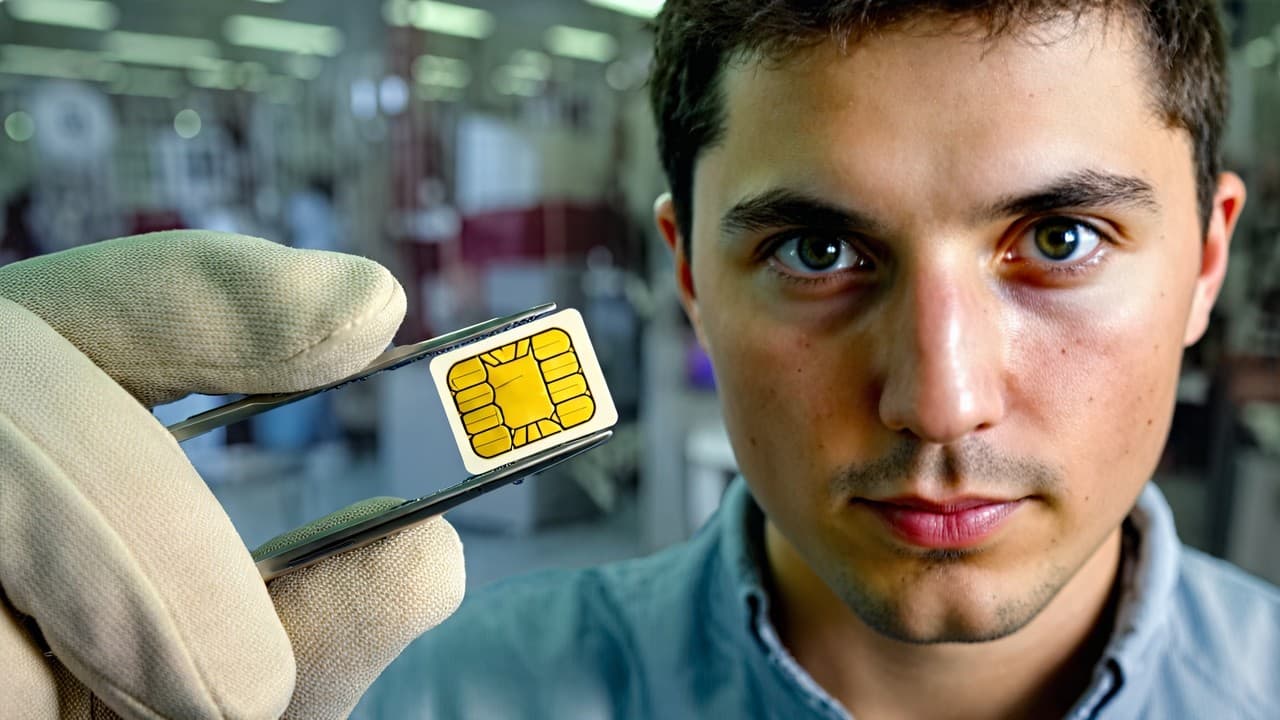
New Video from @micode Explores the Tumultuous History of Gemplus
The video explores the fascinating and tumultuous history of Gemplus, a French pioneer in the manufacture of smart cards, and its founder, Marc Lassus. The company, created in 1988, quickly achieved global success thanks to its innovations in security and authentication. However, its expansion into the United States was marked by challenges and controversies, notably the entry of American investment funds that ultimately led to Marc Lassus losing control of the company.
One of the key points of the video is the entry of Texas Pacific Group (TPG), an American investment fund, into Gemplus' capital. Despite the initial reluctance of the co-founders and historical shareholders, Marc Lassus saw in TPG an opportunity to access the American market. However, this decision had disastrous consequences. TPG gradually took control of the company, replacing the historical management team with American executives. Absurd strategic decisions and signs of surveillance began to alarm Marc Lassus and Gemplus employees.
The video also reveals troubling links between TPG and American intelligence services. Antonio Perez, the new CEO imposed by TPG, made decisions that weakened the company. Later, Alex Mandl, another executive imposed by TPG, was discovered to have links with In-Q-Tel, an investment fund created by the CIA to invest in intelligence technologies. This revelation confirmed Marc Lassus's suspicions that Gemplus was the target of an American intelligence operation aimed at controlling cryptography technologies and SIM card encryption keys.
The practical implications of this story are vast. It highlights the vulnerability of European technology companies to the economic and security interests of the United States. European naivety in economic warfare is underscored, as well as the importance of protecting sensitive technologies. The video ends on a cautionary note, suggesting that other companies could suffer the same fate if they are not vigilant.
In conclusion, the video offers a valuable lesson on the need to protect national technological innovations and understand the power dynamics in the world of international business. It invites reflection on technological sovereignty and communication security in an increasingly interconnected world.