
Bipartisan Healthcare Cybersecurity Bill Reintroduced in Congress
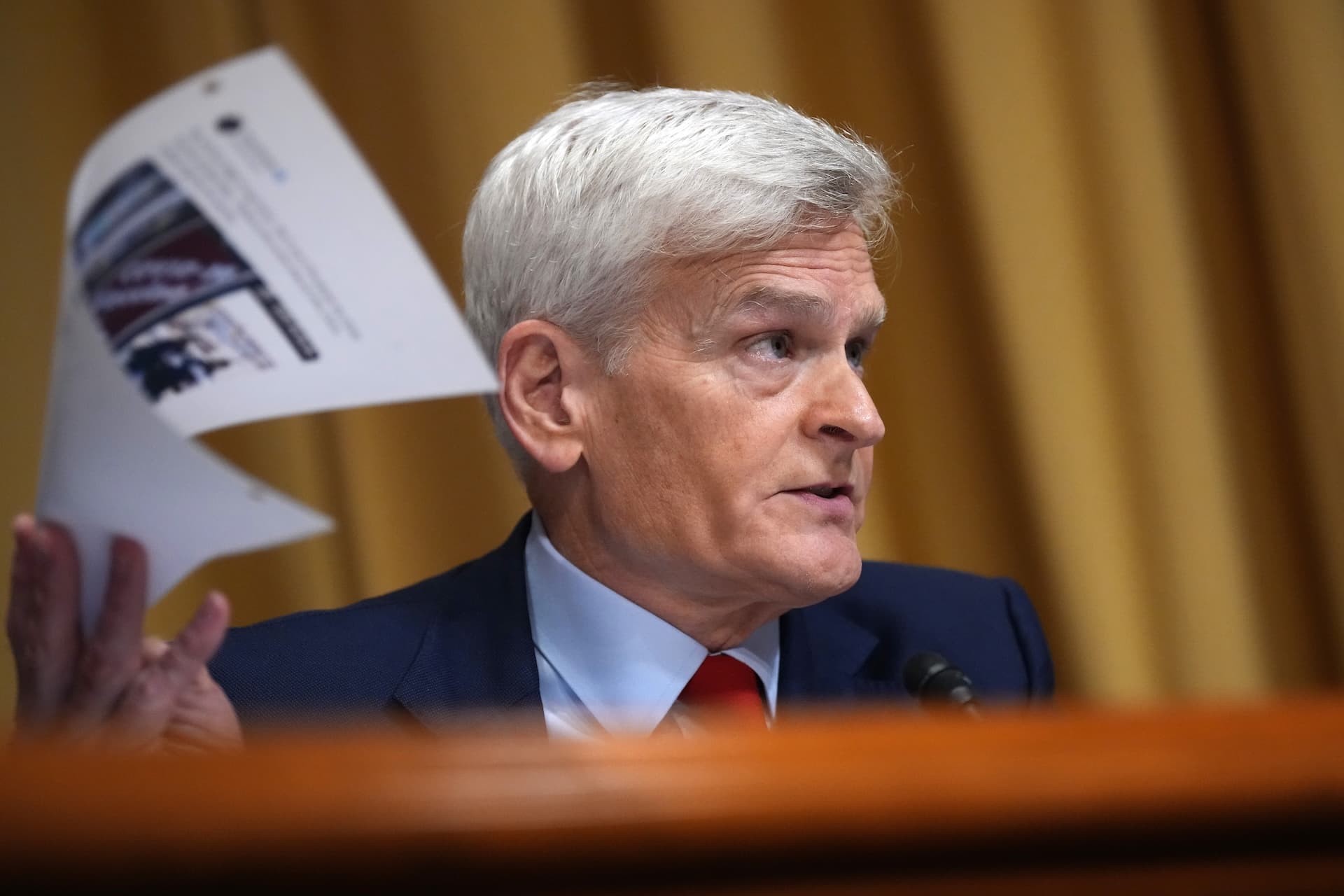
The bipartisan healthcare cybersecurity bill, initially introduced in late 2023, has resurfaced in the U.S. Congress, reflecting the growing recognition of cyber threats in the healthcare sector. Sponsored by Senators Bill Cassidy, John Cornyn, Maggie Hassan, and Mark Warner, the legislation aims to bolster cybersecurity measures through enhanced regulations, training programs, and grant opportunities. The bill involves key agencies such as the Cybersecurity and Infrastructure Security Agency (CISA) and the Department of Health and Human Services (HHS), with a particular focus on mitigating ransomware attacks and ensuring compliance with the Health Insurance Portability and Accountability Act (HIPAA). Currently under review by the Senate Health, Education, Labor and Pensions (HELP) committee, the proposal seeks to address the growing threat landscape in healthcare cybersecurity. From a technical standpoint, the healthcare sector faces unique cybersecurity challenges due to the complexity of medical systems, the sensitivity of patient data, and the critical nature of healthcare services. Ransomware attacks have been particularly damaging, leading to service disruptions and data breaches. The proposed legislation's emphasis on training and grants could help healthcare organizations implement robust security measures, such as network segmentation, regular vulnerability assessments, and incident response planning. The involvement of CISA and HHS is notable, as these agencies can provide valuable resources and expertise. However, the lack of specific technical details in the available information makes it difficult to assess the bill's potential effectiveness. For instance, it is unclear whether the legislation will mandate specific security controls or provide guidelines for implementing advanced threat detection and response capabilities. The impact of this legislation on the cybersecurity landscape could be significant if it leads to improved security practices and greater resilience against cyber threats in the healthcare sector. However, the success of such initiatives often depends on the level of funding, the specificity of the regulations, and the commitment of healthcare organizations to implement the recommended measures. From an expert perspective, while the intent of the bill is commendable, the devil is in the details. Effective cybersecurity legislation should include clear, actionable requirements that address the unique challenges of the healthcare sector. This includes the need to balance security with the accessibility and usability of medical systems, as well as the requirement to protect patient privacy under HIPAA. In conclusion, while the bipartisan healthcare cybersecurity bill is a step in the right direction, its ultimate impact will depend on the specifics of its provisions and the level of support it receives from stakeholders in the healthcare and cybersecurity communities. Cybersecurity professionals should monitor the progress of this legislation and advocate for measures that provide practical, actionable guidance for securing healthcare systems against evolving cyber threats.