
Upcoming FISA Section 702 Renewal Debate: Warrant Requirements and Privacy Concerns
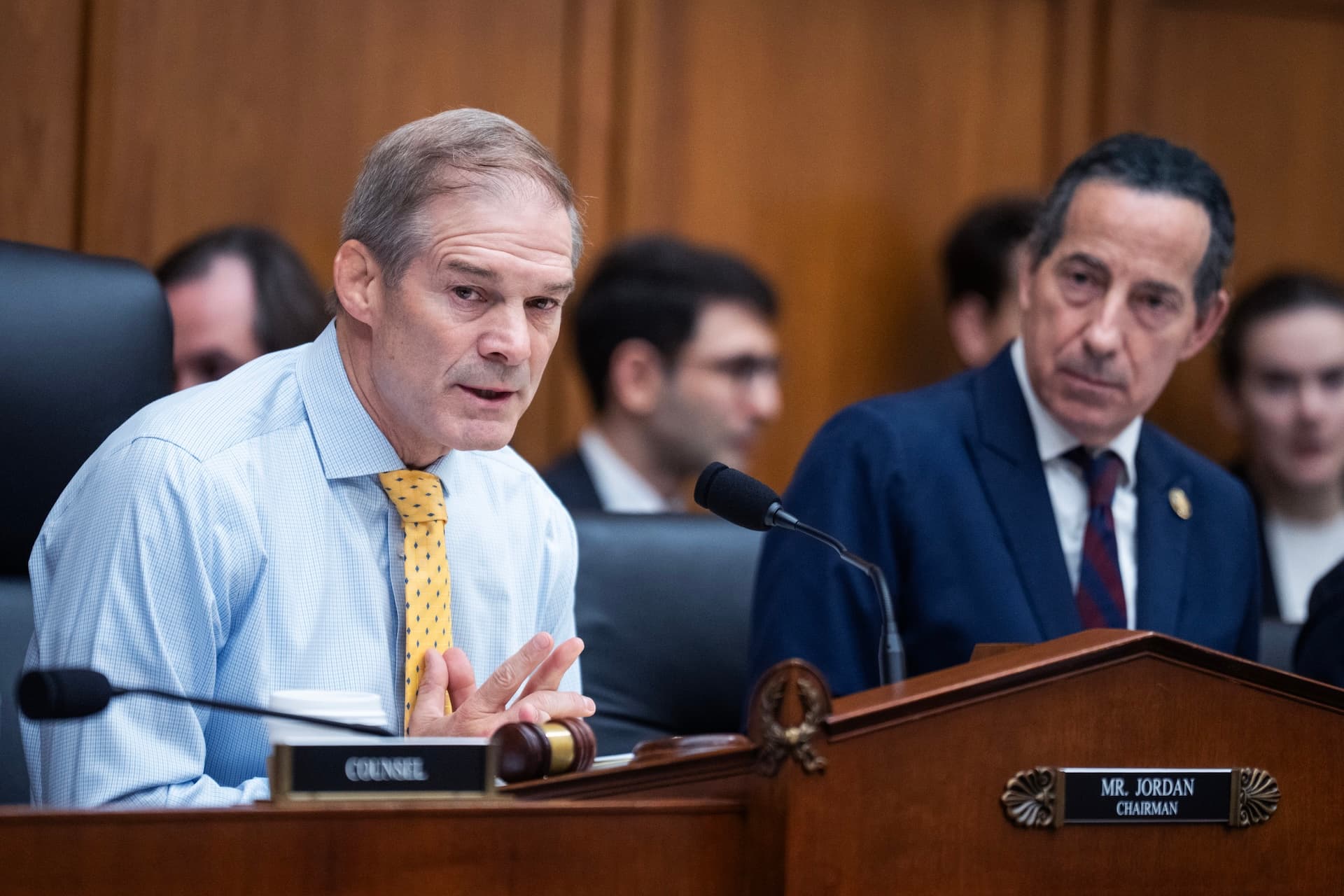
The upcoming debate in the US Congress over the renewal of Section 702 of the Foreign Intelligence Surveillance Act (FISA) is poised to be contentious, with significant implications for cybersecurity and privacy. Section 702, which allows for the warrantless surveillance of foreign targets outside the US, is set to expire in four months. A key proposal under consideration would require federal agents, particularly from the FBI, to obtain a warrant before querying a surveillance database for information on American citizens. This proposal aims to enhance privacy protections for US citizens by adding a layer of legal oversight to the process of accessing surveillance data. The technical implications of this proposal are substantial. Currently, Section 702 allows for the incidental collection of communications involving US citizens if they are in contact with foreign targets. The proposed warrant requirement would mean that even if such data is collected incidentally, agents would need to obtain a warrant to access it specifically for information on US citizens. This could potentially limit the FBI's ability to quickly access information but would also enhance privacy protections for US citizens. From a cybersecurity perspective, this change could affect how surveillance data is used in investigations. On one hand, the requirement for a warrant could introduce delays in critical investigations, potentially hindering the ability to respond quickly to cyber threats. On the other hand, it could increase public trust in surveillance programs if they are seen as more respectful of privacy rights. The involvement of key political figures such as Jim Jordan, Jamie Raskin, and Andy Biggs suggests that this debate will be closely watched and contentious. The impact on the cybersecurity landscape could be significant. If the warrant requirement is implemented, it may lead to more stringent requirements for accessing data, which could impact the speed and efficiency of investigations. However, it could also serve as a model for balancing surveillance capabilities with privacy rights, which is crucial in the digital age. Expert insights suggest that balancing surveillance capabilities with privacy rights is essential. While the warrant requirement could be seen as a positive step towards protecting civil liberties, it might also introduce delays in critical investigations. The outcome of this debate will likely have far-reaching implications for both cybersecurity and privacy rights. The article from Cyberscoop provides a detailed overview of the ongoing discussions and the key players involved. However, it is important to note that no final decision has been made yet, and the debate is still in its early stages. As cybersecurity professionals, it is essential to stay informed about these developments and consider their potential impact on our work.