
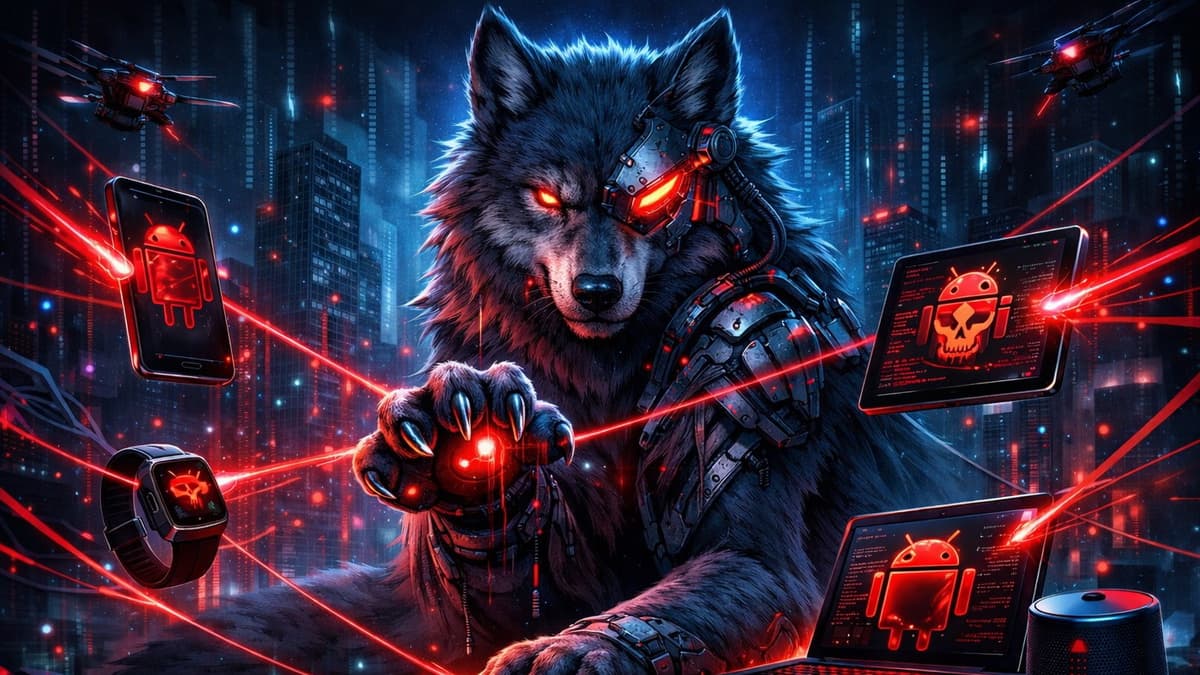
Kimwolf Botnet Compromises 1.8 Million Android Devices for Large-Scale DDoS Attacks
Researchers from QiAnXin XLab have identified a significant DDoS botnet named Kimwolf, which has compromised at least 1.8 million Android devices globally. The primary targets include smart TVs, TV boxes, and tablets. This campaign, potentially linked to the previously identified Aisuru botnet, reportedly received an unprecedented 1.7 billion attack commands within a span of three days in November 2025. Notably, the source article does not provide specific details regarding the infection vectors or vulnerabilities exploited by Kimwolf. The impact of this botnet appears to be confined to the participation of infected devices in DDoS attacks. The scale of the Kimwolf botnet is alarming, with 1.8 million compromised devices capable of launching massive DDoS attacks. The high volume of attack commands—1.7 billion in just three days—highlights the botnet's capacity for large-scale disruptive activities. The potential connection to the Aisuru botnet is noted, but further details on this relationship are not provided in the source. The impact on the cybersecurity landscape is substantial. DDoS attacks can cause significant disruption to online services, and a botnet of this size could be used to target critical infrastructure, financial institutions, or major online platforms. The involvement of smart TVs and similar devices, which are often overlooked in cybersecurity strategies, underscores the importance of securing all connected devices, not just traditional computing endpoints. For cybersecurity professionals, this highlights the need for comprehensive device inventories and regular vulnerability assessments. Organizations should ensure that all Android-based devices, including smart TVs and TV boxes, are running the latest firmware and have strong, unique credentials. Network monitoring for unusual traffic patterns can also help detect and mitigate DDoS attacks originating from compromised devices. However, it is important to note that the reported timeline of November 2025 is in the future, which raises questions about the accuracy and verifiability of this information. If this is a forecast or hypothetical scenario, the technical details may not be finalized. Cybersecurity professionals should monitor for further updates and verified reports on this threat. In conclusion, while the details of the Kimwolf botnet are still emerging, its reported scale and capabilities underscore the evolving threat landscape. Proactive measures to secure Android-based devices and monitor network traffic are essential to mitigate potential risks.