
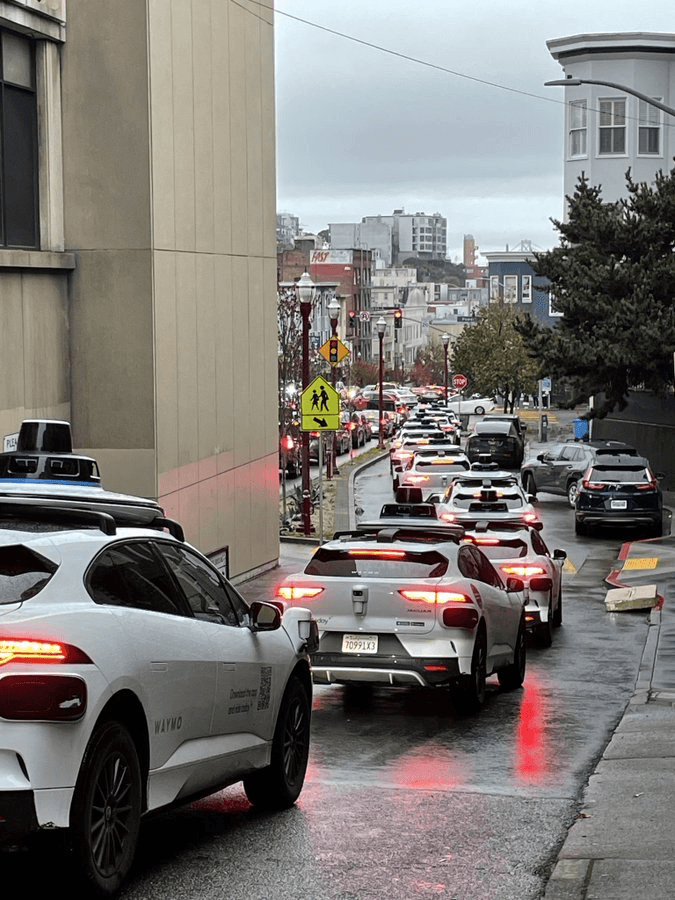
Waymo Robotaxis Immobilized in San Francisco Due to Major Power Outage
On a recent date unspecified in the source, Waymo, a pioneer in autonomous vehicle technology, experienced a significant service disruption in San Francisco due to a major power outage. This incident led to the immobilization of multiple autonomous vehicles on public streets and a temporary suspension of robotaxi services in the Bay Area. While critical details such as the root cause of the power failure, the precise number of affected vehicles, and the duration of the service interruption remain undisclosed, the event serves as a stark reminder of the vulnerabilities inherent in systems dependent on uninterrupted power supply and robust infrastructure. Technically, autonomous vehicles like those operated by Waymo rely on an intricate network of sensors, real-time data processing units, and continuous communication with central management systems to function safely and efficiently. A power outage can disrupt these operations by cutting off essential power to vehicle systems or interrupting critical data communications. However, it is crucial to emphasize that the available information does not indicate any involvement of cyberattacks or security breaches in this particular incident. From a cybersecurity perspective, this event highlights the importance of infrastructure resilience and redundancy in systems that depend heavily on continuous power and data connectivity. While this incident was not cyber-related, it underscores the necessity for comprehensive risk management strategies that account for a broad spectrum of potential disruptions, including non-malicious infrastructure failures. For cybersecurity professionals, this serves as a reminder that ensuring system resilience involves preparing for various types of disruptions, not solely focusing on cyber threats. Expert analysis suggests that organizations operating critical autonomous systems should prioritize the implementation of robust power backup solutions, redundant communication channels, and well-defined incident response protocols. Such measures can mitigate the impact of power outages and other infrastructure-related disruptions, ensuring continuous operation and maintaining public trust in autonomous technologies. In conclusion, while the immediate cause of this disruption was a power outage rather than a cyber incident, the situation offers valuable insights for cybersecurity professionals. It emphasizes the need for holistic risk assessment and mitigation strategies that address both cyber and non-cyber threats to critical infrastructure. As autonomous vehicle technologies continue to evolve and become more integrated into public infrastructure, ensuring their resilience against a wide range of potential disruptions will be paramount.