
Critical MongoBleed Vulnerability (CVE-2025-14847) Enables Remote Memory Exfiltration in MongoDB Servers
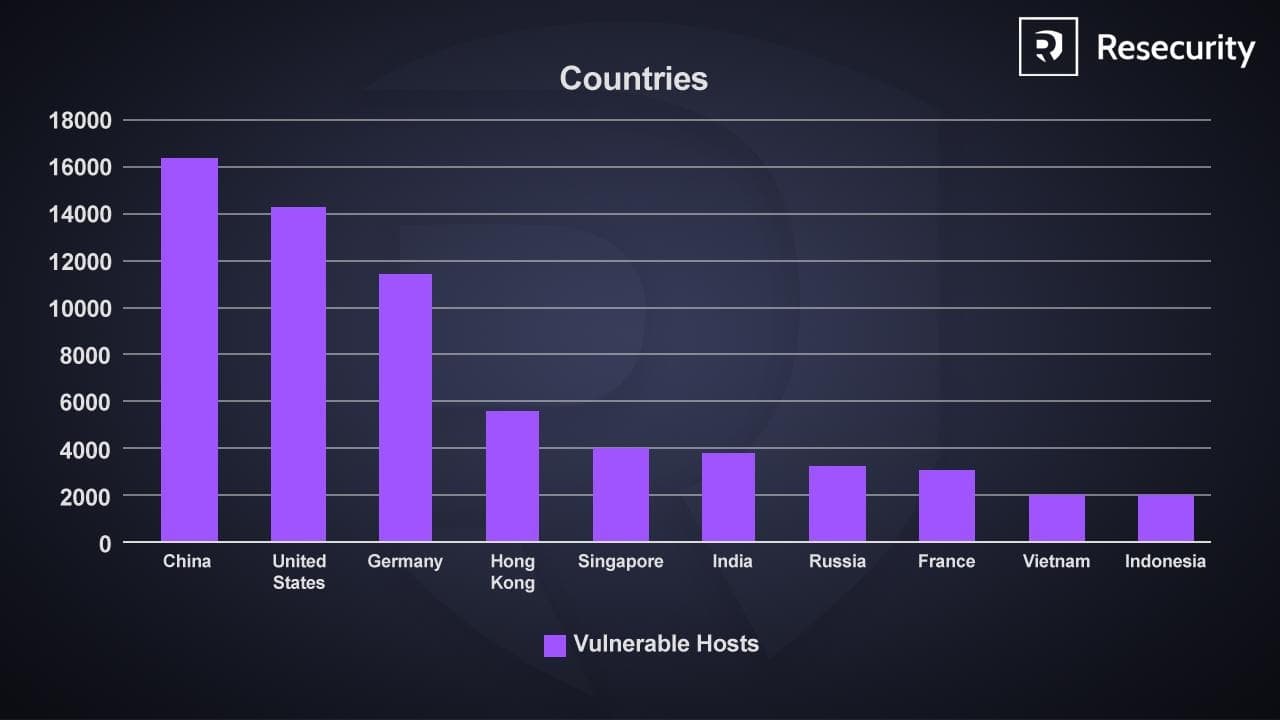
A critical vulnerability, tracked as CVE-2025-14847 and dubbed "MongoBleed," has been disclosed, affecting MongoDB servers that utilize zlib compression. This vulnerability allows remote attackers to exfiltrate memory from vulnerable servers without requiring authentication. Given MongoDB's widespread adoption as an open-source NoSQL database, the implications of this vulnerability are significant, particularly for organizations with exposed and unpatched deployments. MongoDB is a popular NoSQL database known for its flexibility and scalability, widely used in modern applications for managing large volumes of unstructured data. The zlib compression feature is commonly employed to optimize network performance by reducing the size of data transmitted between clients and servers. However, the discovery of CVE-2025-14847 reveals a critical flaw in this implementation, enabling attackers to exploit the compression mechanism to access sensitive memory contents remotely. The impact of this vulnerability is severe, as it allows unauthenticated remote access to server memory, potentially exposing sensitive data such as credentials, personal information, and other confidential data. The geographical distribution of exploited systems includes the United States, China, and the European Union, indicating a global reach and the urgency for organizations in these regions to address the vulnerability promptly. From a cybersecurity perspective, the MongoBleed vulnerability underscores the importance of timely patching and securing database deployments. Unauthenticated remote memory access is particularly concerning as it bypasses traditional authentication mechanisms, making it easier for attackers to exploit vulnerable systems. Organizations using MongoDB with zlib compression should prioritize applying patches and implementing additional security measures, such as network segmentation and access controls, to mitigate the risk of exploitation. In conclusion, CVE-2025-14847 represents a significant threat to organizations utilizing MongoDB with zlib compression. The ability to exfiltrate memory remotely without authentication highlights the critical nature of this vulnerability. Cybersecurity professionals are advised to monitor for updates from MongoDB and apply patches as soon as they become available to protect against potential exploits.