
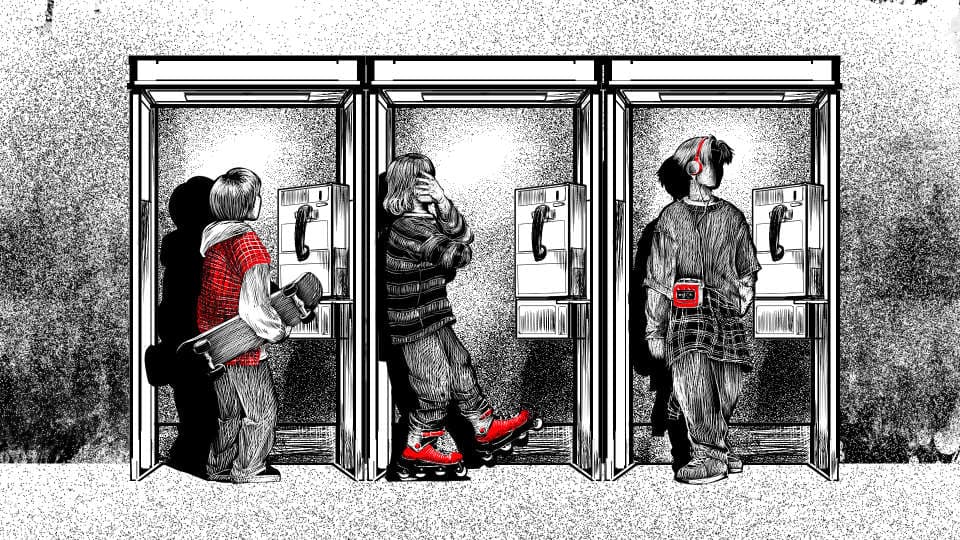
Legion of Doom: Foundations of Modern Cybersecurity Culture
The Legion of Doom (LoD) was a seminal hacking group that emerged during the formative years of cybersecurity in the 1980s and 1990s. Their activities were centered around phreaking, which involved the manipulation of telephone systems to make free calls, and the use of Bulletin Board Systems (BBS), which were early online forums that allowed users to share information and software. LoD's influence extended beyond their technical exploits; they played a crucial role in shaping the culture and ethics of the early hacking community. Their rivalries with other hacking crews, such as the Masters of Deception, further fueled the development of hacking techniques and countermeasures. The subsequent crackdowns by law enforcement agencies, including the infamous Operation Sundevil, marked a significant turning point in the history of cybersecurity. These events led to a shift in the hacking landscape, with many hackers transitioning from exploratory activities to more malicious intents or, conversely, to careers in cybersecurity. Historical accounts such as "Masters of Deception" by Michelle Slatalla and Joshua Quittner, and "The Hacker Crackdown" by Bruce Sterling, provide detailed narratives of this period. While the source material does not delve into specific technical details or provide quantified impacts of LoD's activities, their cultural and historical significance is undeniable. The legacy of LoD serves as a reminder of the complex interplay between innovation, ethics, and law enforcement in the realm of cybersecurity. Understanding this history is essential for cybersecurity professionals, as it provides context for the ongoing evolution of threats and defense strategies. The early exploits and rivalries of groups like LoD laid the groundwork for the sophisticated cybersecurity landscape we navigate today, highlighting the enduring relevance of their story.