
China-Linked Cyberattacks on Taiwan's Critical Infrastructure Surge in 2025, NSB Reports
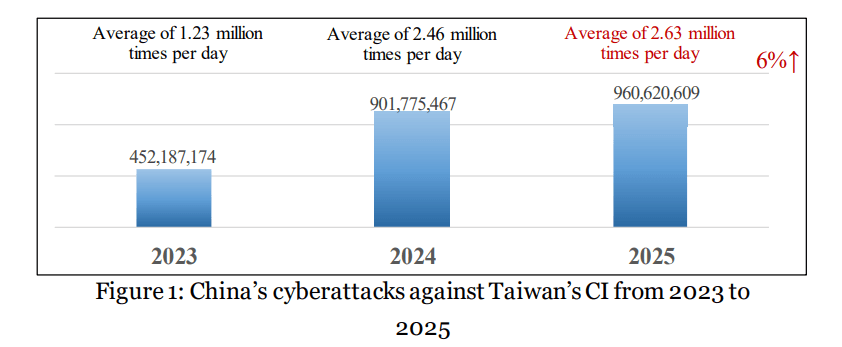
The National Security Bureau (NSB) of Taiwan has reported a significant increase in cyberattacks attributed to China-linked groups in 2025. According to the NSB, attacks targeting the energy sector have surged tenfold, while overall cyber incidents have risen by 6% year-over-year. The attacks have impacted nine critical infrastructure sectors, with a primary focus on Taiwan's strategic infrastructure. This escalation in cyber activities underscores the growing threat posed by state-sponsored cyber groups to critical infrastructure. The tenfold increase in attacks on the energy sector is particularly concerning, as disruptions in this sector can have cascading effects on other critical services and national security. The impact on the cybersecurity landscape is significant. The targeting of critical infrastructure highlights the potential for cyber operations to be used as a tool of statecraft, aiming to disrupt or degrade the functioning of essential services. This trend aligns with global observations of increased cyber activities targeting critical infrastructure, reflecting the strategic importance of these sectors. For cybersecurity professionals, this development underscores the importance of robust defense-in-depth strategies, including regular security assessments and patch management. Additionally, the focus on the energy sector suggests a need for enhanced monitoring and incident response capabilities in this critical area. However, it is important to note that the message does not provide specific technical details about the attacks. Therefore, while the general trend is clear, the exact methods and techniques used by the attackers remain unknown. In conclusion, the reported increase in cyberattacks on Taiwan's critical infrastructure by China-linked groups is a stark reminder of the evolving cyber threat landscape. Cybersecurity professionals must remain vigilant and proactive in defending against these threats, with a particular emphasis on protecting critical infrastructure sectors.