
U.S. Withdrawal from International Cybersecurity Organizations: Implications and Impact
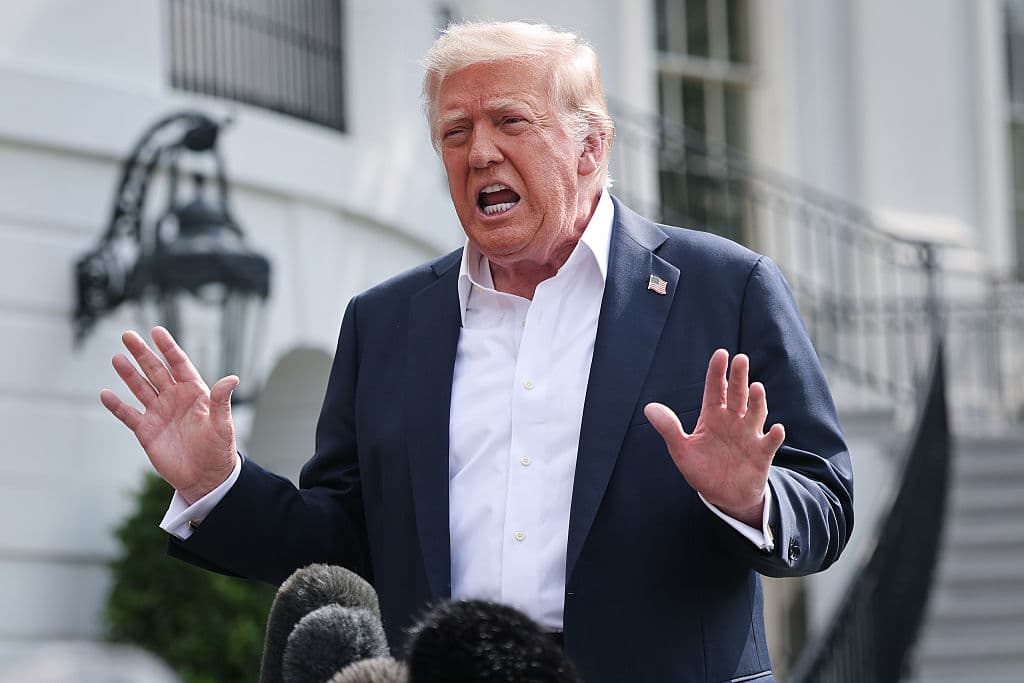
The Trump administration has withdrawn the United States from 66 international organizations, including several focused on cybersecurity, internet freedom, and human rights. Among the affected groups are the Freedom Online Coalition and the Global Forum on Cyber Expertise. While the State Department has not provided a comprehensive list or specific withdrawal dates, the move signifies a significant shift in U.S. engagement with global cybersecurity initiatives. The technical implications of this withdrawal are substantial. The U.S. has historically played a pivotal role in shaping international cybersecurity norms and policies. By stepping back from these organizations, the U.S. risks diminishing its influence in critical discussions on issues such as disinformation, human rights in the digital space, and the establishment of global cybersecurity standards. This could lead to a fragmentation of efforts, with other nations or entities potentially filling the void left by the U.S., possibly resulting in policies that do not align with U.S. interests or values. Experts, including former top cyber diplomat Chris Painter, have expressed concerns about the potential consequences. Painter has noted that the withdrawal could undermine efforts to establish global norms in cyberspace and combat cyber threats effectively. This sentiment is echoed by other cybersecurity professionals who emphasize the importance of international collaboration in addressing the increasingly complex and borderless nature of cyber threats. The impact on the cybersecurity landscape is multifaceted. Firstly, the withdrawal could weaken the collective response to cyber threats, as international organizations often serve as platforms for sharing threat intelligence and best practices. Secondly, it could affect the development and enforcement of international cybersecurity standards, which are crucial for ensuring a secure and open internet. Lastly, the move could have implications for human rights and internet freedom, as the U.S. has been a strong advocate for these values in the digital space. For cybersecurity professionals, this development underscores the need to stay informed about the evolving geopolitical landscape and its implications for cybersecurity. Organizations may need to reassess their strategies for international collaboration and consider alternative platforms for engagement and information sharing. In conclusion, the U.S. withdrawal from these international cybersecurity organizations marks a significant shift with far-reaching implications. While the full impact remains to be seen, it is clear that the move will affect the global cybersecurity landscape and the U.S.'s role within it.