
Unpatched AirPlay Vulnerabilities in BMW CarPlay Systems: Analysis of 'Pwn My Ride' Attack
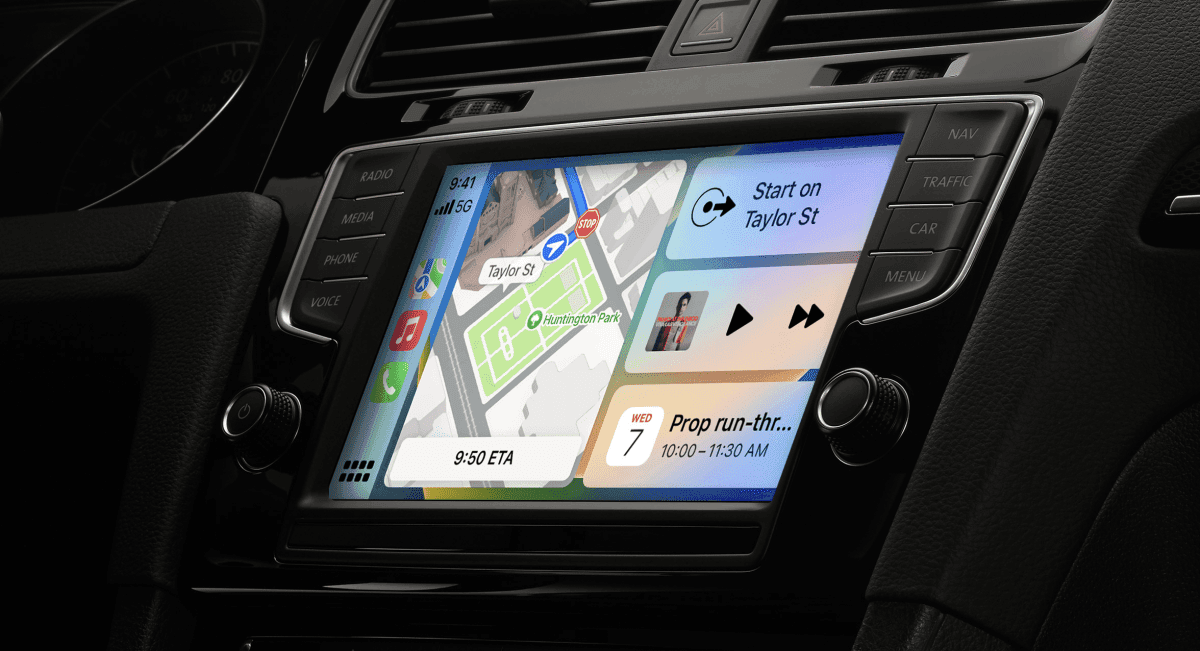
In autumn 2023, vulnerabilities were discovered in the implementation of Apple's AirPlay protocol, specifically affecting CarPlay systems in certain vehicles, including those manufactured by BMW. These vulnerabilities, exploited through an attack vector named "Pwn My Ride," potentially allow unauthorized access to embedded vehicle systems. Notably, BMW has confirmed that it does not intend to release patches for these vulnerabilities. The technical context is significant: AirPlay is Apple's proprietary wireless streaming protocol, while CarPlay integrates iPhone functionality with vehicle infotainment systems. The lack of a CVE identifier and specific technical details (such as the exact attack vector or CVSS scoring) limits a comprehensive risk assessment. However, the potential impact on the security of wireless connections between Apple devices and vehicle multimedia systems is clear. From an expert perspective, this situation highlights critical issues in automotive cybersecurity. Modern vehicles' increasing connectivity expands the attack surface, and the challenges of patching embedded systems are exacerbated by the automotive industry's traditionally long update cycles. The decision not to patch these vulnerabilities is particularly concerning given the safety-critical nature of automotive systems. For cybersecurity professionals, this case underscores the importance of secure protocol implementation and the need for robust vulnerability management processes in automotive contexts. While specific mitigation strategies are difficult to recommend without technical details, general best practices such as network segmentation within vehicle systems and regular security audits remain essential. Given the information available, the primary actionable intelligence is the recognition that certain BMW vehicles with CarPlay functionality may be permanently vulnerable to this attack. Organizations and individuals managing fleets of affected vehicles should be aware of this risk, though specific technical mitigations are not provided in the source material.