
VoidLink: Advanced Malware Framework Targeting Linux Cloud and Container Environments
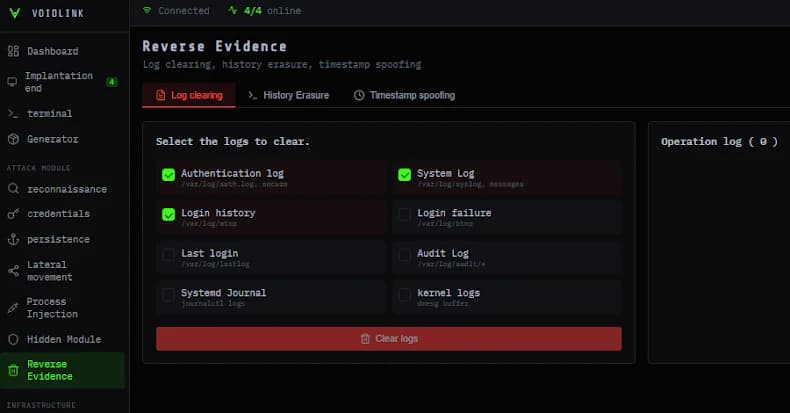
Check Point Research has uncovered details about VoidLink, a previously undocumented malware framework designed for stealthy and prolonged access to Linux-based cloud and container environments. The framework is reported to include custom loaders, implants, rootkits, and modifiable modules, indicating a high level of sophistication and adaptability. The custom loaders in VoidLink are designed to load malicious components into memory while evading detection. The implants serve as the primary payloads, capable of executing various malicious tasks. Rootkits within the framework ensure persistence and concealment from detection tools. The modifiable modules allow for updates and adaptations to evade detection or target specific systems. The focus on Linux-based cloud and container environments is particularly concerning due to the widespread adoption of these technologies in enterprise and critical infrastructure settings. The design of VoidLink suggests it is intended for long-term, covert operations within these environments. However, the report does not provide specific details on the discovery date or any concrete impacts associated with VoidLink. This lack of information makes it difficult to assess the full scope of the threat. Technically, VoidLink represents a significant threat to cloud and container environments due to its advanced capabilities and focus on stealth. Its modular design and use of rootkits indicate a sophisticated malware framework capable of maintaining persistence while evading detection. For cybersecurity professionals, the discovery of VoidLink underscores the importance of implementing robust security measures in cloud and container environments. This includes regular system updates, network segmentation, and continuous monitoring for signs of compromise. Security teams should be aware of the latest threats and equipped to detect and respond to advanced malware frameworks. In terms of actionable intelligence, organizations should monitor their Linux-based cloud and container environments for unusual network traffic, unauthorized changes to system files, and other indicators of compromise associated with malware frameworks like VoidLink. The discovery of VoidLink also highlights the importance of sharing threat intelligence within the cybersecurity community to better defend against emerging threats.