
Building an AI Security Program for Enterprises: Key Components and Challenges
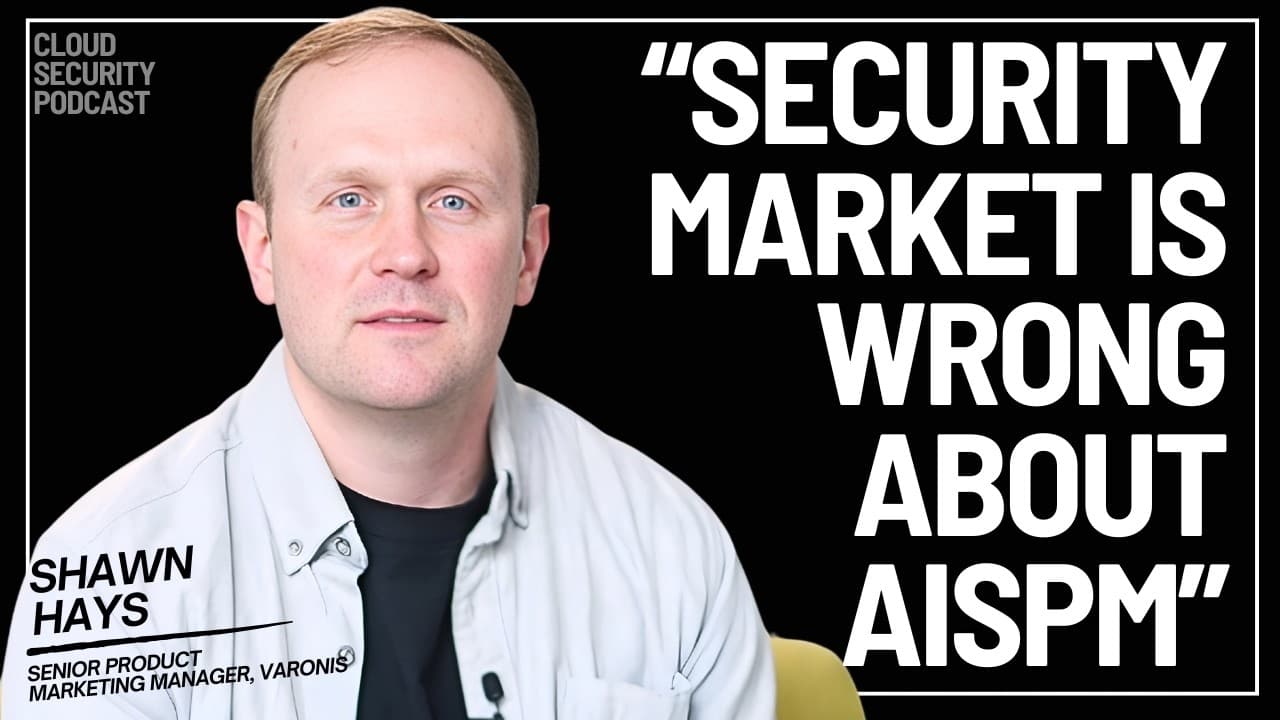
The video features a discussion between the host of Cloud Security Podcast and Shawn Harris from Varonis on building an AI security program for enterprises. Key challenges include managing embedded AI tools like Copilot, third-party AI integrations (e.g., Jira, Salesforce), and shadow AI—unauthorized or unknown AI systems in use. The conversation highlights eight critical components of AI security: inventory and observability of AI models, agents, and data sources; posture management (AI SPM); third-party risk assessment via AI bills of materials (SBOMs); runtime monitoring; guardrails to prevent misuse; compliance alignment (e.g., HIPAA); pen testing; and zero-trust principles applied to data, identity, and cloud architecture. Harris emphasizes that native cloud tools (e.g., Microsoft's Agent 365) are insufficient for diverse AI ecosystems, as they lack visibility into non-native agents or third-party connectors. The discussion also notes the importance of continuous scanning to detect vulnerabilities, such as poisoned tools or misconfigured MCP servers, and the need for data security to control what AI systems can access. A maturity model is suggested, starting with inventory and data access governance before advancing to guardrails and compliance.