
AI Security Threats: Prompt Injection Vulnerabilities in Large Language Models
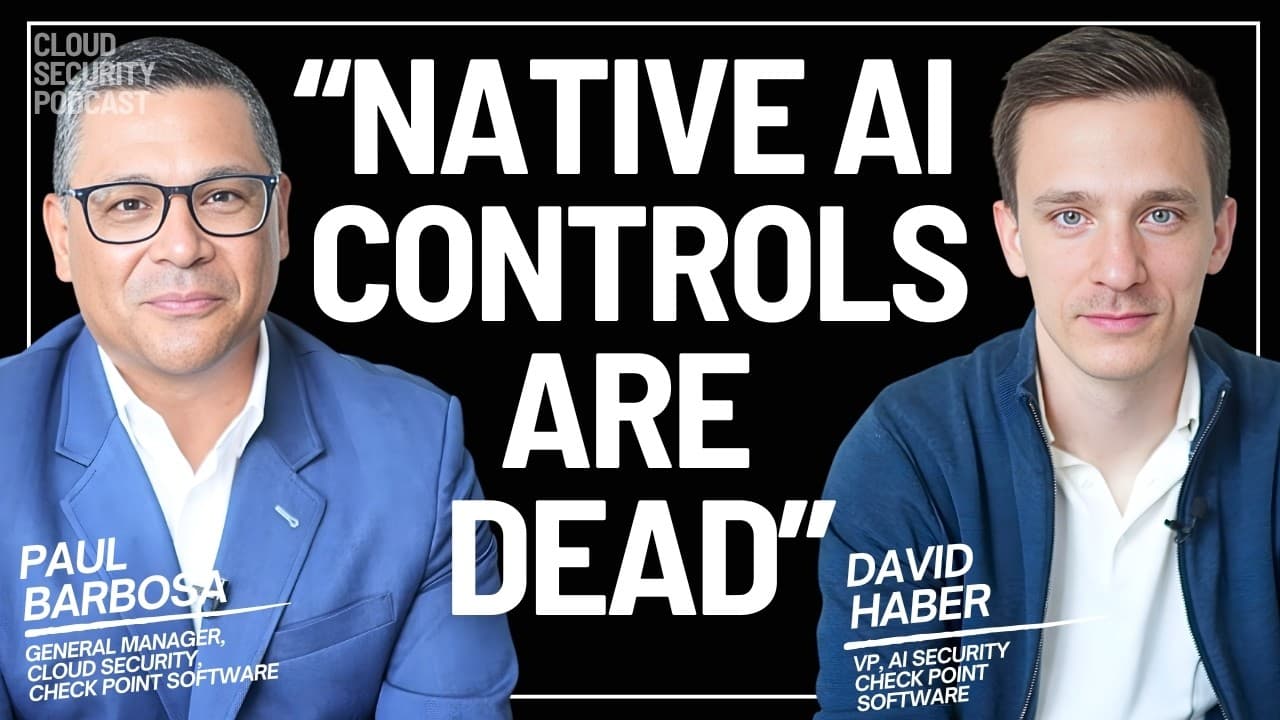
The video features a discussion on AI security threats, particularly prompt injection and indirect prompt injection, with David Haber (former VP of AI Security at Check Point and CEO of Lakera) and Paul Barbosa (VP of Cloud and SASE at Check Point). They highlight how prompt injection exploits language-based vulnerabilities in large language models (LLMs), enabling attackers to bypass system instructions and exfiltrate data—such as an entire corporate inbox—without detection. The open-source project Gandalf, launched 2.5 years ago, demonstrated these risks by collecting over 100 million human-AI interactions, revealing how creativity in language can outmaneuver traditional security controls. Indirect prompt injection, exemplified by a Google Doc exploit, poses greater threats due to its invisibility, as malicious instructions embedded in data or tools manipulate AI agents without user awareness. The conversation emphasizes that AI guardrails are insufficient, advocating for runtime protection, contextual intelligence, and continuous red teaming to secure AI systems. Startups and non-enterprise organizations are identified as particularly vulnerable, with ownership and education on AI security risks deemed critical. The video also references tools like Microsoft Copilot Studio and CRM platforms as attack vectors, underscoring the need for holistic security approaches beyond perimeter defenses.