
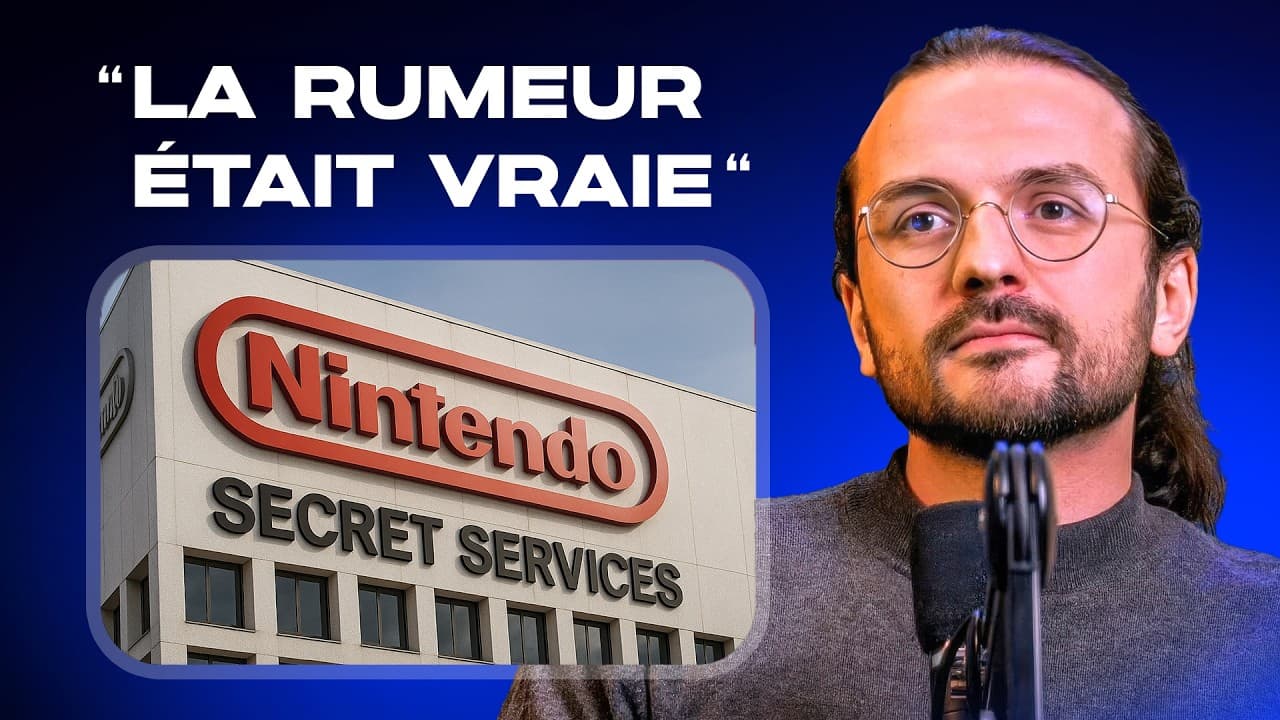
New Video from @Underscore_ Explores Nintendo's Unique IP Protection Strategies
The video delves into Nintendo's unique strategy for protecting its intellectual properties, revealing surprising aspects of their surveillance methods and legal actions. Guest Gabriel, a specialist in video game law, explains why Nintendo is seen as both a family-friendly company and a feared entity within the industry. Unlike other video game companies, Nintendo has a distinct economic strategy. They produce both consoles and game licenses that work exclusively on these consoles, creating a monopoly. This synergy between hardware and software forces players to buy their consoles to play their games, a strategy not commonly seen among other manufacturers. Legally, Nintendo uses legal tools to protect this monopoly, targeting anything that could bypass this exclusivity, such as emulators, piracy, and even fan games. The video also reveals surprising details about Nintendo's surveillance methods. In 2020, a massive leak of internal documents confirmed the existence of "Nintendo ninjas," secret agents employed to spy on their enemies. For example, Nintendo monitored a Belgian hacker who had information about the 3DS before its release. They hired private detectives to surveil this person, even noting their daily habits. This surveillance was used to negotiate a confidentiality agreement and potentially employment for the hacker, showing the extent of measures Nintendo takes to protect its interests. Gabriel explains that Nintendo files an impressive number of trademarks and patents to protect its intellectual properties. They also closely monitor counterfeiting activities and even train customs and police to recognize fake Nintendo products. This vigilance extends to actions against fan games, unauthorized music broadcasts, and even leisure activities using their licenses without permission. The video also addresses cases where Nintendo has acted controversially, such as their actions against YouTubers making Let's Play videos of their games. Initially, Nintendo claimed all ad revenue from these videos, but they have since softened their policy. However, they continue to closely monitor unauthorized uses of their intellectual properties, even if it sometimes harms their public image. Finally, the video discusses the practical implications of these strategies. Although Nintendo is very protective of its licenses, emulators continue to thrive by respecting certain legal boundaries. For example, an emulator that does not reuse any Nintendo code and does not promote piracy can avoid legal action. This dynamic creates a cat-and-mouse game between Nintendo and emulator developers. In conclusion, the video offers a fascinating glimpse into Nintendo's intellectual property protection methods, showing how far they are willing to go to preserve their monopoly and brand image.