
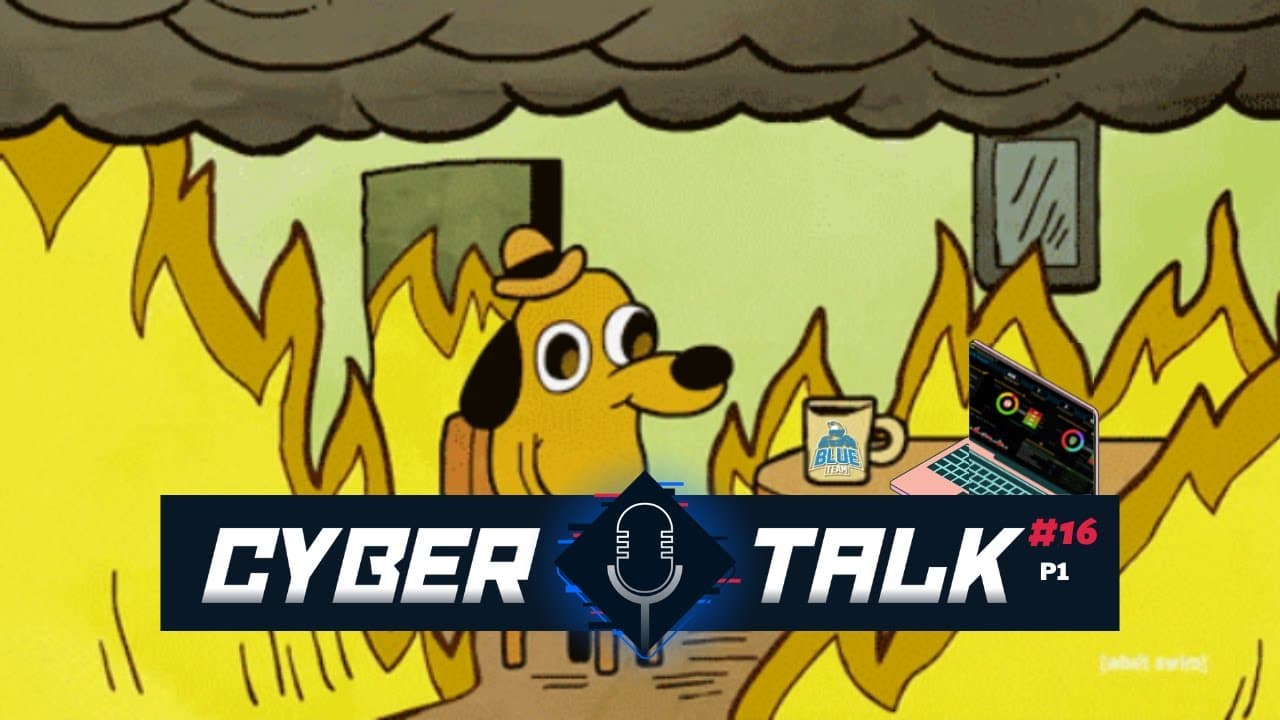
New Video from @HacktBack Explores Defensive Cybersecurity
In this video, the @HacktBack team delves into the world of defensive cybersecurity, focusing particularly on Blue Teams and Security Operation Centers (SOCs). The video begins with an introduction to the importance of defensive cybersecurity, often overshadowed by more publicized offensive aspects. The hosts, along with their guest Siopi, a CTI analyst, discuss the roles and responsibilities of Blue Teams, the tools they use, and the challenges they face. Blue Teams, also known as SOCs, are responsible for detecting and responding to security incidents. Siopi explains that the SOC is the heart of a company's security, continuously monitoring logs and events to detect malicious behavior. SOC analysts are tasked with analyzing these incidents and responding accordingly. The SOC is often divided into three levels: L1 for initial alert management, L2 for more in-depth investigations and creating detection rules, and L3 for advanced analysis and managing critical incidents. The central tool of the SOC is the SIEM (Security Information and Event Management), which collects and analyzes logs from various sources to detect malicious patterns. Other tools like EDR (Endpoint Detection and Response) and XDR (Extended Detection and Response) are also used to monitor endpoints and cloud environments. Siopi also mentions the importance of YARA and Sigma rules for standardized threat detection. One of the main challenges for Blue Teams is managing false positives. Siopi explains that too many false positives can desensitize analysts, making them less vigilant against real threats. It is crucial to properly configure detection rules to minimize these false positives. Analysts must also manage stress and pressure, especially when on call and needing to respond to critical incidents outside of work hours. Collaboration between Blue Teams and Red Teams is essential for improving an organization's security posture. Purple Teaming exercises, where offensive and defensive teams work together, are particularly beneficial. Siopi emphasizes that these exercises help test and improve the SOC's detection and response capabilities. In the event of a confirmed compromise, the SOC plays a crucial role in incident response. Siopi explains that analysts must be able to communicate effectively with stakeholders, including IT teams and management, to manage the crisis. Crisis simulation exercises are often used to prepare teams to respond to real incidents. CTI (Cyber Threat Intelligence) is a vital component of Blue Team work. Siopi explains that CTI provides contextual information about threats, helping analysts better understand and respond to incidents. Tools like VirusTotal and CTI databases are commonly used to enrich investigations. The video concludes with a discussion on the importance of continuous training and skill improvement for SOC analysts. Siopi emphasizes that cybersecurity is a constantly evolving field, and professionals must stay updated with the latest threats and detection techniques. To learn more, watch the full video here: https://www.youtube.com/watch?v=K0qOgN83D-8