
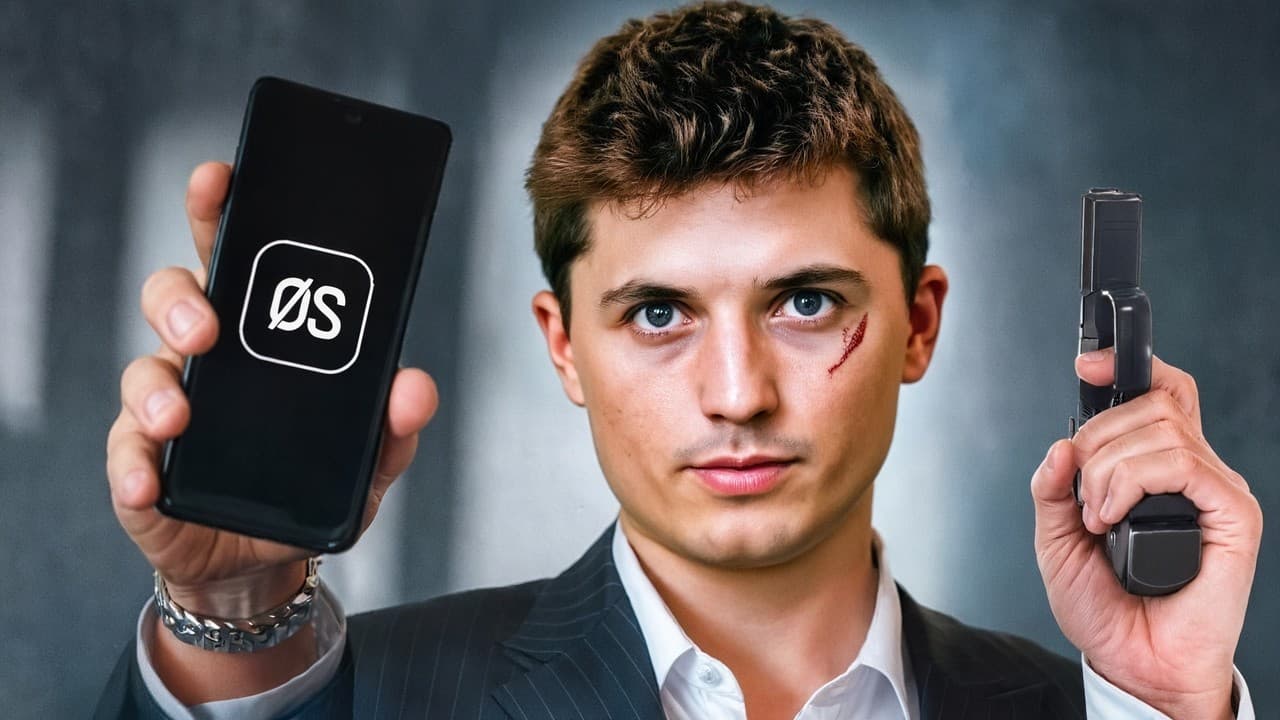
New Video from @Micode Explores the World of Encrypted Phones Used by Criminals
The video from @Micode delves into the fascinating and complex world of encrypted phones used by criminals to evade law enforcement surveillance. It begins by introducing a modified Google Pixel, sold to thousands of criminals in 2019 for $2000 each. This phone, equipped with end-to-end encrypted messaging, allowed users to communicate securely without fear of being wiretapped, located, or hacked. The messaging app, hidden behind a calculator, ensured that only the recipient could read the messages, making it impossible for the police to decode them. The story then shifts to a small town in California, where a local FBI team had the idea to turn this technology against the criminals. By locating the servers of the encrypted messaging services and creating a backdoor, they hoped to access the conversations of global organized crime. The video tells the story of Joseph Cox, an investigative journalist who has been investigating these criminal encrypted phones for years. The investigation begins in 2015 when the San Diego police receive a visit from a blackjack professional reporting an ex-American football player, Owen Hanson, for illegal activities. Hanson, who was using an encrypted phone called Phantom Secure, is eventually arrested. FBI agents discover that this phone, a BlackBerry with a remote wiping feature, was used by Hanson for his criminal operations. This discovery leads to Hanson's arrest and the conviction of 21 people involved in his network. The FBI then decides to target Phantom Secure by obtaining the collaboration of its boss, Vincent Ramos. However, Ramos manages to escape and shut down the servers, ending the Americans' project. The FBI then dismantles the company, but criminals quickly turn to other brands of encrypted phones. The video then introduces ANOM, a new encrypted phone developed by a former Phantom Secure employee, avgou. ANOM is designed to replace Phantom Secure and is offered to the FBI as an alternative to infiltrate criminal networks. The FBI, after overcoming legal and financial hurdles, decides to launch ANOM on a large scale. They create a phone with advanced features, such as a fake home screen and encrypted messaging with options for message deletion and automatic disappearance. The ANOM phone is tested in Australia, where it is sold by undercover agents and criminal distributors. The results are impressive, allowing law enforcement to map out organized crime and seize large quantities of drugs. The success in Australia prompts the FBI to launch ANOM in the rest of the world, despite administrative obstacles and concerns about murders planned via the messaging service. In Europe, ANOM faces competition from Sky and EncroChat, two other brands of encrypted phones. However, the fall of EncroChat, hacked by the French gendarmerie, opens an opportunity for ANOM. Thanks to influential distributors like Hakan Ayik and Maximilian Rifkin, ANOM quickly spreads to Sweden, the Netherlands, and Germany. The FBI then has to deal with a massive influx of messages to analyze, posing logistical and ethical challenges. They decide to share their analysis software, OLA Ibot, with European countries to better manage the information and prevent murders. However, despite their efforts, some murder plots escape their vigilance, such as the assassination of Sacha in Sweden. The video concludes by highlighting the scale and violence of the drug trade in Europe, revealed through ANOM. Law enforcement discovers criminal networks that are much more powerful and organized than they imagined, demonstrating the importance of these tools in the fight against organized crime.