
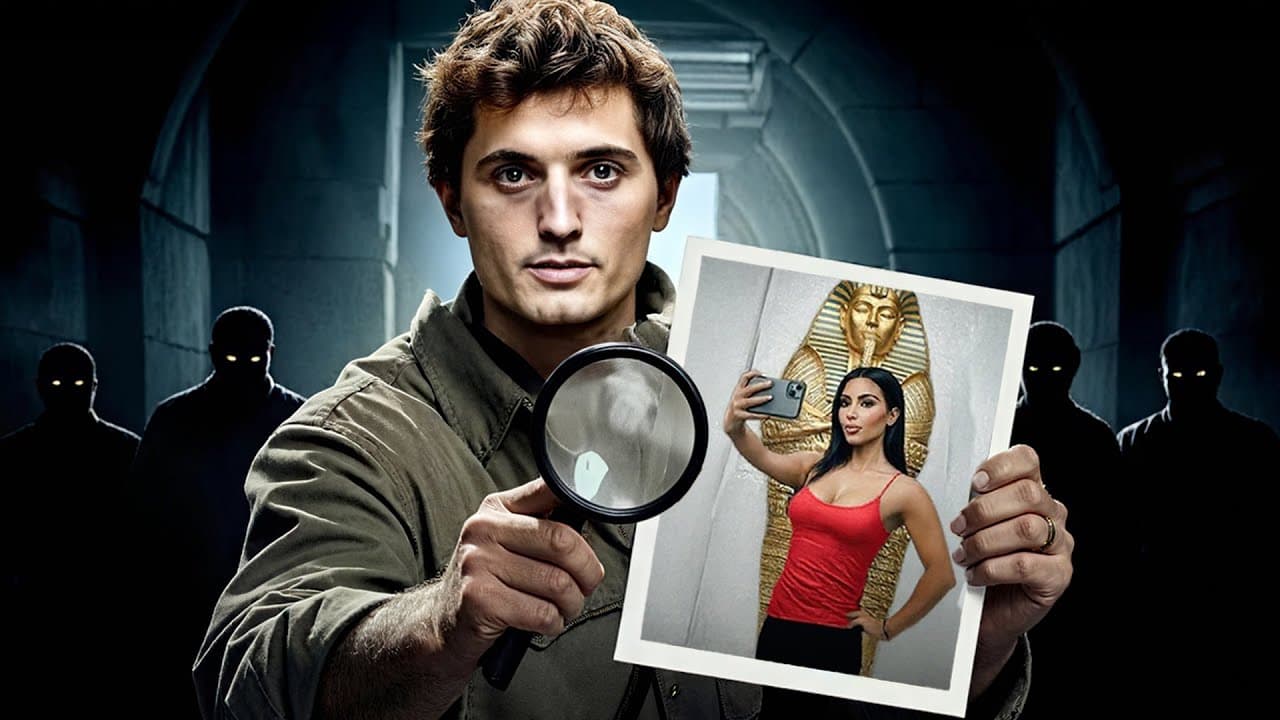
New Video from @micode Explores the Fascinating Story of Matthew Bogdanos and His Fight Against Antiquities Trafficking
The video explores the fascinating story of Matthew Bogdanos, an assistant district attorney in Manhattan, who became famous for his expertise in antiquities trafficking. The case that marked his career began unexpectedly: a simple email with a photo of Kim Kardashian posing next to a golden sarcophagus worth 4 million dollars. This sarcophagus, belonging to the Metropolitan Museum of New York, caught Bogdanos' attention because it was suspected of being a stolen antiquity. Bogdanos' investigation revealed that the sarcophagus, supposedly legally exported from Egypt in 1971, had actually been looted in 2011. This discovery uncovered a sophisticated criminal network that manufactured fake export certificates to sell stolen treasures to major Western museums. The documents provided by the Metropolitan Museum seemed to be in order, but an inconsistency in the date of the export certificate revealed the deception. The investigation led Bogdanos to discover that several other antiquities, including an Egyptian stele, had been stolen and sold through galleries and auction houses. The looters, often local villagers or archaeology experts, took advantage of political chaos for illegal excavation. The antiquities were then sent to Dubai or other countries with little customs control before being shipped to Europe. The Dionysos gallery, run by Sérop Simonian, and the Pierre Berger auction house, with expert Christophe Kuniki, were at the heart of this trafficking. Kuniki, a renowned expert, endorsed the fake papers, allowing the Simonians to sell pieces to prestigious institutions like the Louvre Abu Dhabi. The German police eventually raided the Dionysos gallery, revealing that the Egyptian antiquities were loaned to German museums to launder their provenance. The investigation also revealed that Kuniki was complicit in the trafficking, advising the Simonians on which pieces to buy and which documents to forge. This revelation shocked the art world, leading to indictments for fraud. However, despite these discoveries, the Metropolitan Museum was not troubled, merely promising to do better. In 2023, a consortium of journalists revealed that more than a thousand works in the museum had questionable provenance. Bogdanos is aware that arresting traffickers only buys time. As long as museums, galleries, and collectors continue to turn a blind eye, antiquities trafficking will persist. This case highlights the complex challenges of art trafficking and the need for increased vigilance to protect global cultural heritage.