
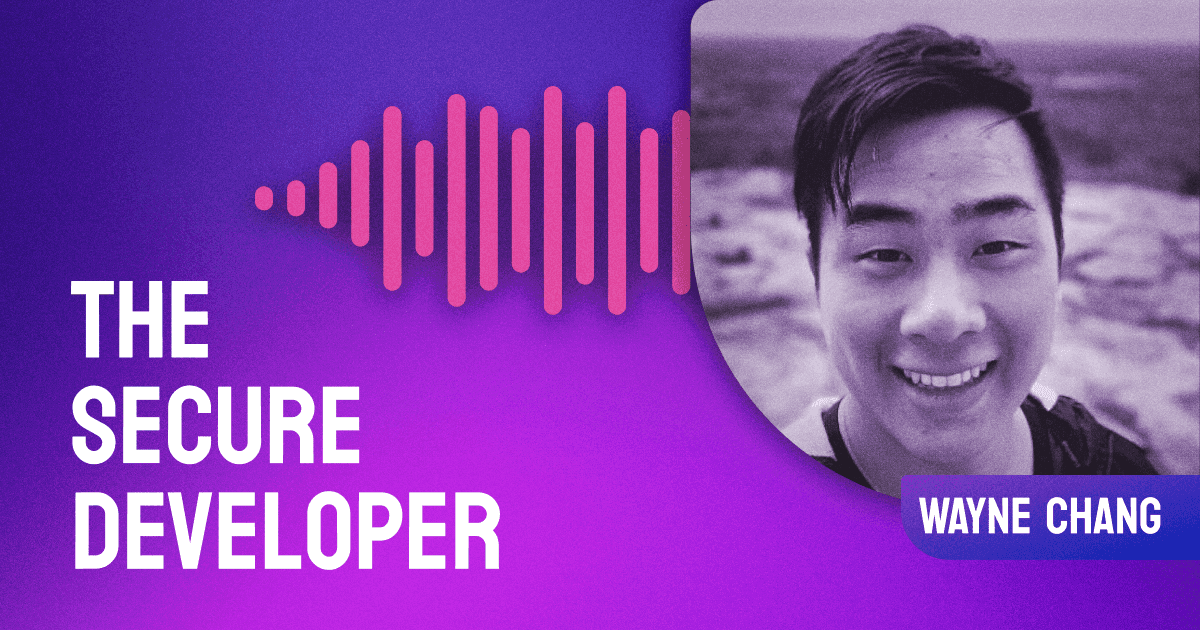
New Episode of SNYK: The Future of Security, Privacy, and Control with Wayne Chang
In this episode of The Secure Developer, Danny Allan, CTO of Snyk, interviews Wayne Chang, founder and CEO of SpruceID. Wayne shares his journey and experiences in the fields of health and digital identity, highlighting the challenges and opportunities related to managing personal data and the security of identification systems. Wayne begins by discussing his experience with electronic health records and the difficulties encountered in integrating these systems. He emphasizes the importance of data sovereignty, which is the control individuals have over their own digital information. This idea led him to work in the field of user-controlled digital identity. Wayne stresses that existing systems and policies play a crucial role and that obsolete technologies will continue to be used for decades. Therefore, it is essential to understand how to incrementally integrate these systems to avoid blockages. The discussion continues on the different types of digital identity, including federated, centralized, and decentralized systems. Wayne explains that the choice of identity type depends on the context and specific needs. For example, for a company, a system of keys linked to a device may be appropriate, while for a bank, more rigorous identity verification is necessary. Wayne mentions the NIST 863 document, which provides recommendations on different levels of assurance for authentication and identity. A crucial point discussed is the balance between security and usability. Wayne emphasizes that perfect security does not exist and that the goal is to make attacks unprofitable. He discusses the advantages and disadvantages of federated identity systems, such as authentication with Google or Facebook, and concerns related to the centralization of data. Wayne advocates for more user-centric architectures, where individuals have greater control over their information. The conversation then turns to self-hosted identities and decentralized identity wallets. Wayne explains that these systems allow users to collect and manage their own data, offering better interoperability and greater control over information sharing. He also mentions the challenges related to managing cryptographic keys and account recovery. Wayne also addresses concerns related to biometrics and facial recognition, highlighting the risks of data leaks and the security measures necessary to protect this sensitive information. He discusses zero-knowledge proof technologies, which allow identity verification without revealing the underlying data. The discussion concludes with a reflection on the impact of artificial intelligence on digital identity. Wayne emphasizes the importance of accountability and traceability of actions delegated to AI systems. He also mentions the risks of fraud and the necessary measures to secure identification systems against new threats posed by AI. In conclusion, Wayne is optimistic about the future of digital identity, highlighting the increasing alignment of technical standards and the recognition of the importance of data sovereignty. He hopes to see broader adoption of personal data management technologies and decentralized identity systems in the coming years. To listen to the full episode, visit: https://snyk.io/podcasts/the-secure-developer/the-future-of-security-privacy-and-control-with-wayne-chang/