
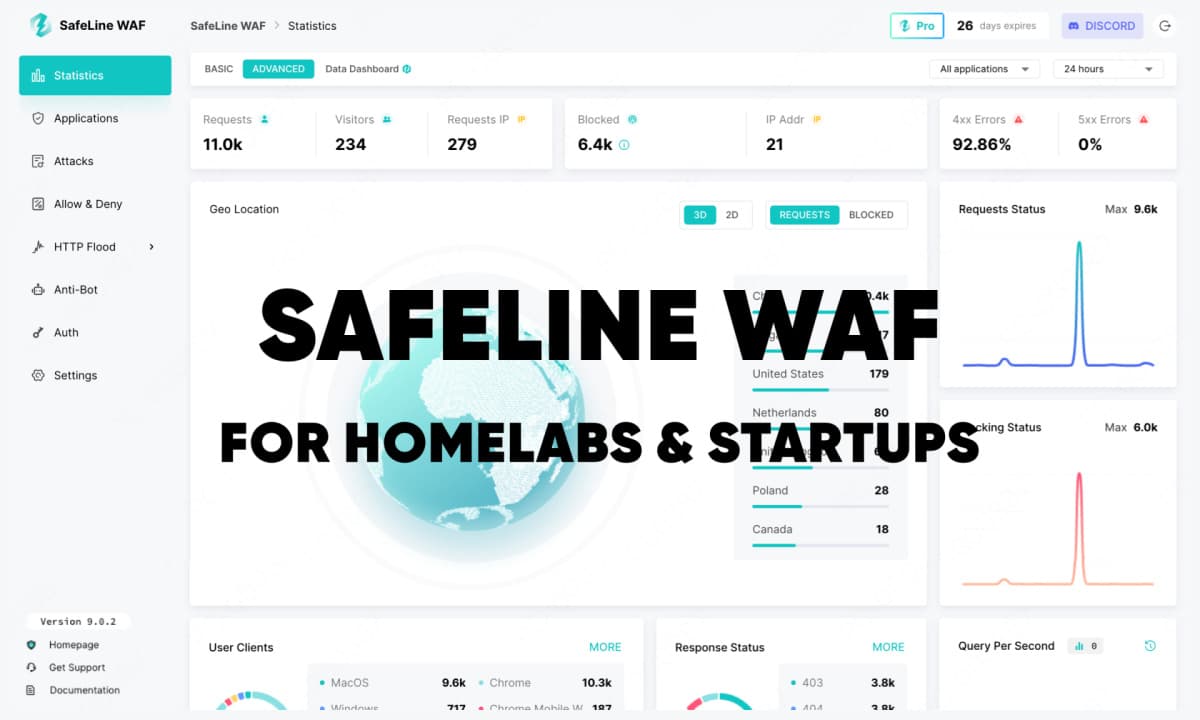
Chinese-Built SafeLine WAF Gains Global Popularity Among Startups and Homelabs
The SafeLine Web Application Firewall (WAF), developed in China, is gaining global popularity among startups and homelabs. This trend highlights the increasing adoption of Chinese cybersecurity technologies worldwide. SafeLine WAF is designed to protect web applications from various threats, including SQL injection and cross-site scripting (XSS). Its growing adoption among startups and homelabs suggests that it may offer cost-effective or feature-rich solutions that appeal to these groups. However, the rise of Chinese-developed security solutions also raises questions about supply chain security and geopolitical considerations. Organizations adopting SafeLine WAF should conduct thorough testing and evaluation to ensure it meets their security requirements and complies with relevant regulations. This shift could indicate a diversification in the cybersecurity market, traditionally dominated by Western companies. The increasing popularity of SafeLine WAF among startups and homelabs underscores a notable shift in the cybersecurity landscape. Traditionally, the market for web application firewalls has been dominated by Western vendors. However, the emergence of a Chinese-developed solution gaining traction globally indicates a diversification in the market. SafeLine WAF is designed to protect web applications from a variety of threats, including SQL injection, cross-site scripting (XSS), and other common web exploits. Its adoption by startups and homelabs suggests that it may offer a cost-effective or feature-rich alternative to established solutions. Startups, in particular, often seek affordable yet robust security solutions to protect their applications without straining their budgets. Homelabs, on the other hand, are typically set up by enthusiasts or professionals for testing and learning purposes, indicating that SafeLine WAF might be user-friendly and suitable for educational and experimental environments. However, the rise of Chinese-developed security solutions also brings to the forefront concerns about supply chain security and geopolitical considerations. Organizations must be vigilant and conduct comprehensive testing and evaluation to ensure that SafeLine WAF meets their security requirements and complies with relevant regulations. This is particularly important given the sensitive nature of web application security and the potential implications of adopting solutions developed in different geopolitical contexts. The growing adoption of SafeLine WAF could also have broader implications for the cybersecurity landscape. As more organizations start using Chinese-developed security solutions, it could lead to a more diverse market, potentially driving innovation and competition. However, it also raises questions about the reliability and security of these solutions, especially in light of geopolitical tensions and concerns about cyber espionage. In conclusion, while the popularity of SafeLine WAF among startups and homelabs is a notable trend, organizations should approach its adoption with caution. Thorough testing and evaluation are essential to ensure that the solution meets their security needs and complies with relevant regulations. This shift in the market highlights the importance of diversification in the cybersecurity landscape, but also underscores the need for vigilance and due diligence when adopting new solutions.