
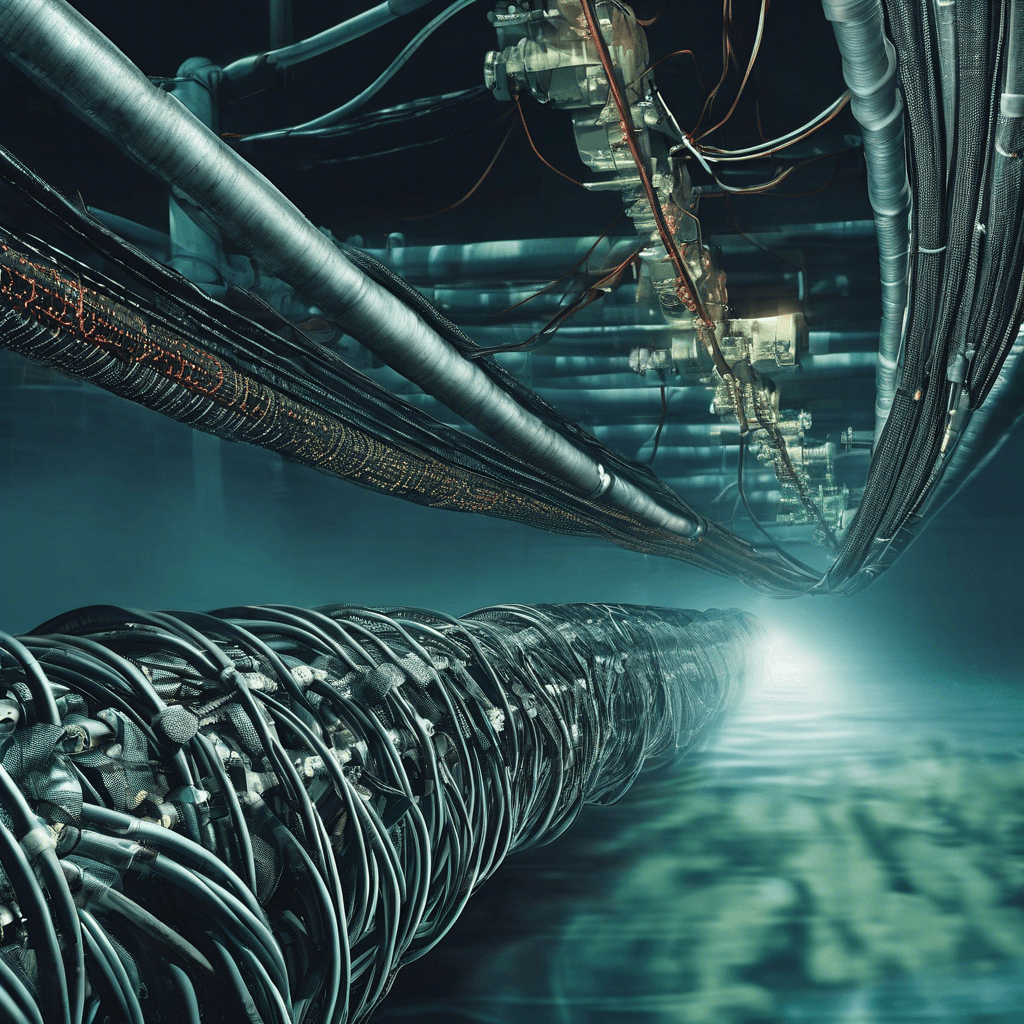
Undersea Power Cables: Critical Infrastructure and Security Implications
Undersea power cables are essential components of the electrical grid, enabling the transmission of electricity across bodies of water and supporting the integration of offshore renewable energy sources. These cables are deployed through a process that involves coiling them onto ships and burying them in underwater trenches, ensuring their protection and stability. With the global increase in electricity demand, the role of undersea power cables in maintaining grid reliability and facilitating renewable energy transmission has become more critical than ever.
From a cybersecurity standpoint, undersea power cables represent a vital piece of critical infrastructure that requires robust protection. The deployment process itself may introduce vulnerabilities, as cables coiled on ships and laid in trenches could be subject to physical tampering or cyber threats if deployment systems are networked. Once deployed, these cables must be safeguarded against a range of threats, including physical sabotage and cyber-attacks on associated control systems. Disruptions to undersea power cables could lead to widespread power outages, economic losses, and potential national security implications.
To address these risks, comprehensive security measures must be implemented throughout the lifecycle of undersea power cables. This includes securing the deployment process through physical security measures and cybersecurity protocols for any networked systems involved. Additionally, regular inspections and maintenance of the underwater infrastructure are essential to detect and mitigate potential vulnerabilities. Securing the control systems that manage power transmission is also critical to prevent cyber-attacks that could disrupt operations.
Furthermore, international cooperation is vital for protecting shared undersea infrastructure. Collaborative efforts can help establish standardized security protocols and facilitate information sharing regarding potential threats and best practices for securing undersea power cables.
In conclusion, as the demand for electricity continues to rise and undersea power cables become increasingly integral to the electrical grid, ensuring their security is paramount. Cybersecurity professionals must prioritize the protection of this critical infrastructure through robust security measures, international cooperation, and continuous monitoring to maintain grid reliability and resilience against evolving threats.