
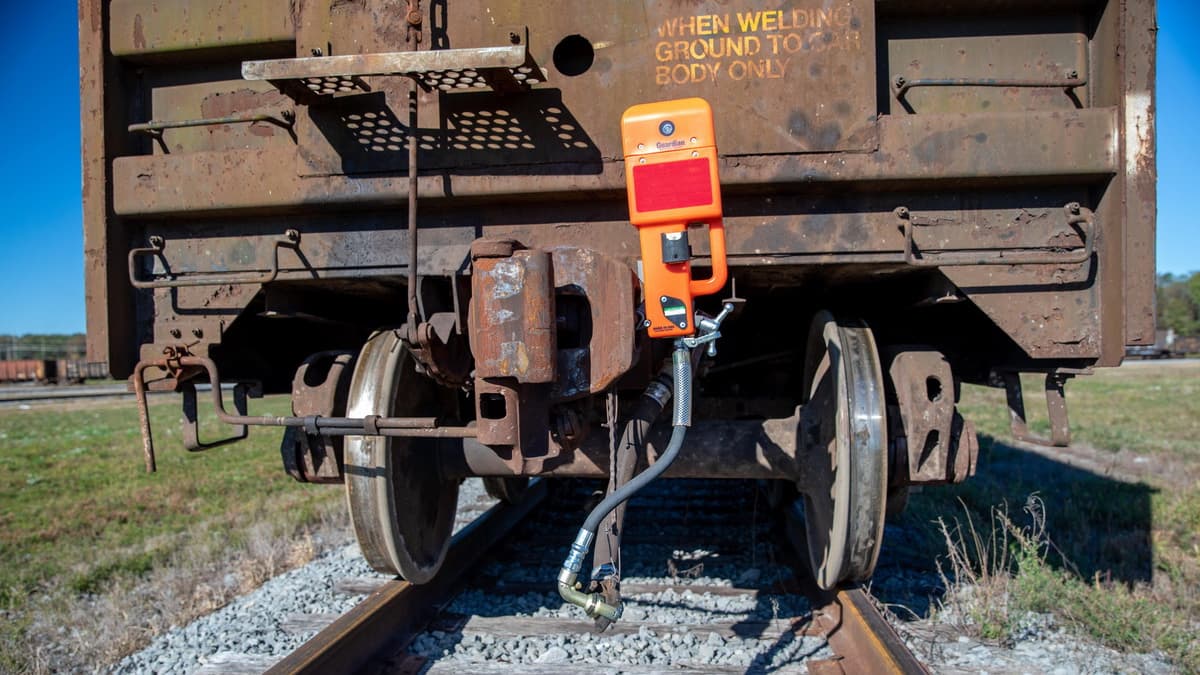
Critical Unpatched Vulnerability in Train Communication Standards Poses Ongoing Risk
In 2012, independent cybersecurity researcher Neil Smith reported a critical vulnerability in the communication standard used by trains in the United States. This flaw could allow an attacker to stop a train using a Software-Defined Radio (SDR). Despite the alert, the vulnerability remains unpatched, and Smith's research has been contested for years. The communication standards in critical infrastructure, such as railways, are essential for ensuring safe and efficient operations. A vulnerability in these standards can have severe consequences, including operational disruptions and safety risks. The use of SDRs in this context highlights the potential for wireless attacks on train control systems. Technically, the vulnerability suggests a lack of robust authentication and encryption mechanisms in the communication protocol. This could enable spoofing attacks, where an attacker transmits malicious signals to disrupt train operations. The fact that this issue has not been addressed since its discovery in 2012 is alarming and underscores the challenges in securing legacy systems and critical infrastructure. The impact on the cybersecurity landscape is substantial. Critical infrastructure is a prime target for cyberattacks due to its strategic importance. A successful exploitation of this vulnerability could lead to significant disruptions in transportation, financial losses, and potential safety hazards. This case highlights the need for improved security standards, regular audits, and timely patch management in critical infrastructure sectors. From an expert perspective, this situation underscores the importance of proactive security measures. Regular security audits, robust authentication mechanisms, and timely patch management are crucial for mitigating such vulnerabilities. Additionally, there should be a clear process for validating and addressing security research findings to ensure that potential threats are taken seriously and addressed promptly. In conclusion, the unpatched vulnerability in train communication standards reported by Neil Smith in 2012 poses significant risks to railway operations and highlights broader issues in securing critical infrastructure. Addressing such vulnerabilities requires a concerted effort from stakeholders to implement robust security measures and responsive patch management processes.