
Inside the OMG Cable: A Stealthy USB Hacking Tool Unveiled
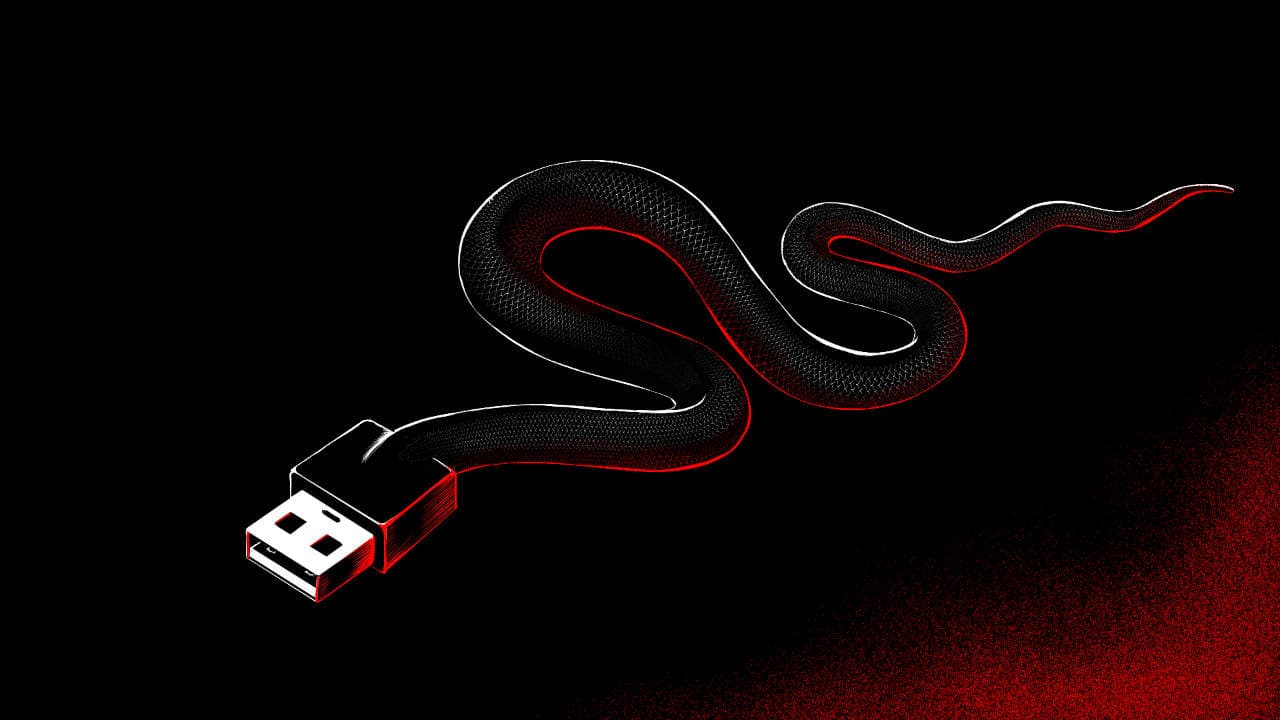
The latest episode of the Darknet Diaries podcast, episode 161, features an interview with mg, a hacker and hardware engineer renowned for creating the OMG Cable. This seemingly innocuous USB cable is far from ordinary; it's a sophisticated hacking tool capable of compromising systems through their USB ports. The OMG Cable represents a novel approach to physical penetration testing, blending into everyday environments while packing powerful offensive capabilities. Technically, the OMG Cable falls into the category of "badUSB" devices, which emulate human interface devices (HIDs) to execute malicious payloads. Unlike traditional badUSB devices that resemble flash drives, the OMG Cable's form factor as a cable makes it particularly stealthy. It can be used to perform a variety of attacks, including keystroke injection, command execution, and data exfiltration, all while appearing as a harmless charging or data transfer cable. The implications of such a tool are significant for the cybersecurity landscape. Physical security is often an overlooked aspect of overall security posture, with many organizations focusing primarily on network and software defenses. The OMG Cable underscores the importance of securing physical access points, including USB ports. Attackers with physical access can bypass many software-based security measures, making tools like the OMG Cable a potent threat. For cybersecurity professionals, the OMG Cable serves as a stark reminder of the creativity and ingenuity of attackers. It highlights the need for comprehensive security strategies that encompass physical security controls. Organizations should consider implementing measures such as disabling unused USB ports, employing USB port blockers, and educating employees about the risks of plugging in unknown devices. Moreover, penetration testers and red teams may find the OMG Cable to be a valuable addition to their toolkit. Its stealthy nature makes it an effective tool for demonstrating physical security vulnerabilities during assessments. However, it's crucial to note that the use of such tools should always be conducted within legal and ethical boundaries, with proper authorization. The episode also mentions sponsors ThreatLocker and Axonius, which offer solutions relevant to mitigating such threats. ThreatLocker's endpoint security solutions can help control and monitor USB device usage, while Axonius's asset management platform can assist in identifying and managing devices connected to the network. In conclusion, the OMG Cable is a testament to the evolving nature of cyber threats. As attackers continue to innovate, cybersecurity professionals must remain vigilant and adapt their defenses accordingly. Physical security, often considered a secondary concern, must be integrated into the broader security strategy to effectively combat threats like the OMG Cable.