
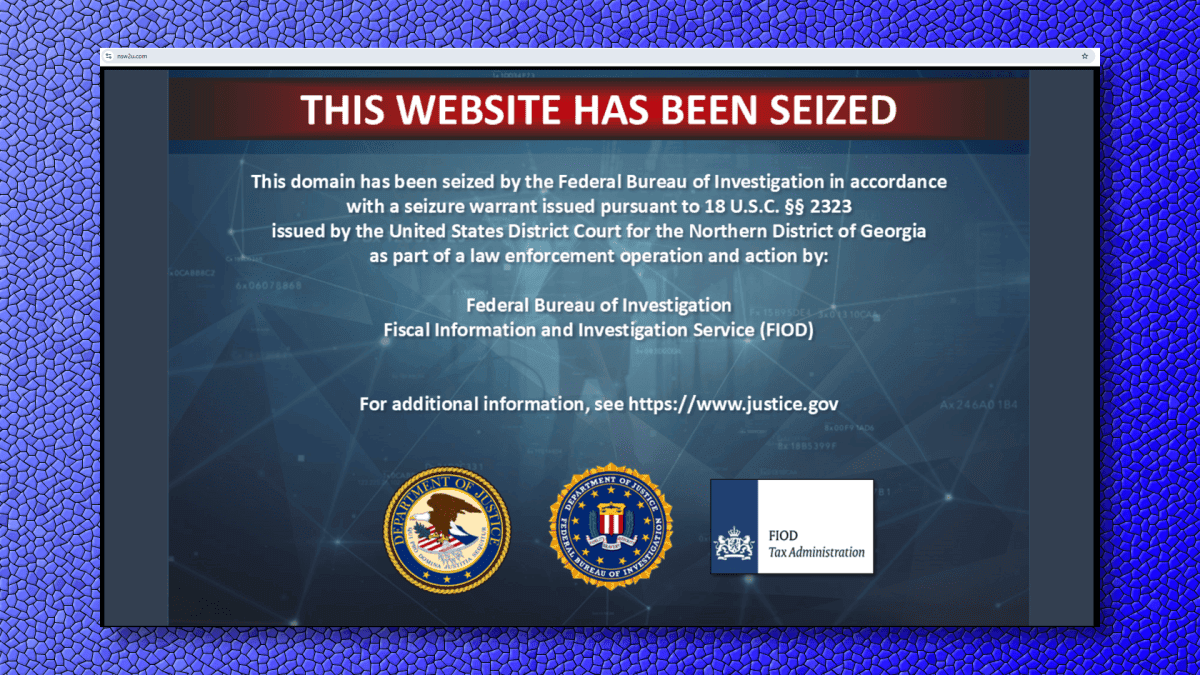
FBI Cracks Down on Video Game Piracy: Major Sites Taken Offline
The FBI has successfully shut down several websites involved in the distribution of illegal copies of video games. This operation is a significant step in combating video game piracy, which not only violates intellectual property rights but also poses substantial cybersecurity risks. Pirated games are often bundled with malware, including trojans, ransomware, and spyware, which can compromise users' systems and data. By taking these sites offline, the FBI has disrupted a key distribution vector for such malicious software.
From a technical perspective, these piracy sites typically operate by hosting cracked versions of games, which are modified to bypass licensing checks. These cracks often require users to disable security features on their systems, making them more vulnerable to other types of cyberattacks. Additionally, the sites themselves can be used to distribute malware directly through fake downloads or advertisements.
The impact of this operation on the cybersecurity landscape is noteworthy. Firstly, it reduces the availability of pirated software, which can decrease the incidence of malware infections stemming from these sources. Secondly, it serves as a deterrent to other cybercriminals engaged in similar activities. However, it's important to recognize that such actions may lead to a temporary displacement of these activities to other, potentially darker corners of the web, where they might be harder to track and mitigate.
For cybersecurity professionals, this operation underscores the importance of vigilance and proactive measures in combating cybercrime. It also highlights the need for user education on the risks associated with pirated software. Users should be encouraged to obtain software from legitimate sources to avoid the inherent risks of malware infections and legal consequences.
In conclusion, the FBI's action against video game piracy sites is a positive development in the fight against cybercrime. It serves as a reminder of the ongoing efforts required to protect intellectual property and maintain cybersecurity. However, continuous monitoring and adaptive strategies are necessary to address the evolving tactics of cybercriminals.