
North Korean Hackers Distribute XORIndex Malware via 67 Malicious npm Packages
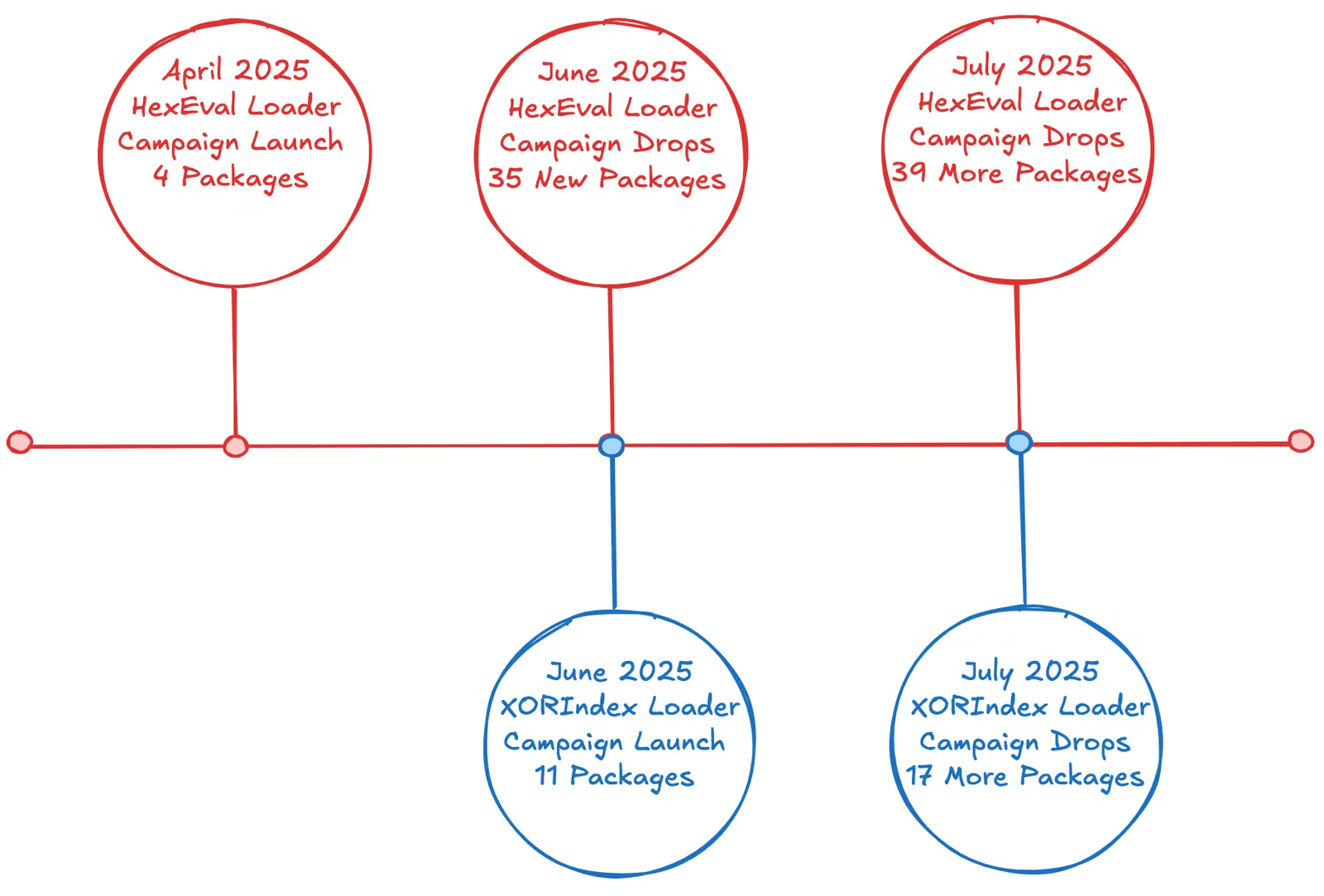
North Korean-linked threat actors have been identified as the perpetrators behind a sophisticated supply chain attack involving the distribution of 67 malicious npm packages. These packages contain the XORIndex malware loader, which is designed to evade detection and deploy additional malicious payloads. The campaign, dubbed Contagious Interview, has resulted in over 17,000 downloads, highlighting the significant reach and potential impact of this attack. The use of npm, a widely trusted package manager in the JavaScript ecosystem, underscores the growing threat of supply chain attacks. These attacks exploit the trust in legitimate software distribution channels, making them particularly insidious. The technical implications of this attack are substantial. XORIndex's ability to evade detection and deploy additional payloads suggests a high level of sophistication in the malware's design. This incident underscores the need for robust security measures in software development, including the verification of third-party package integrity and the use of tools to detect malicious code. The impact on the cybersecurity landscape is profound. This attack highlights the ongoing threat posed by state-sponsored actors, particularly from North Korea. It serves as a stark reminder of the importance of securing the software supply chain and the need for continuous vigilance against such threats. Organizations should implement strict security measures for their software supply chains, including using package managers that can detect and block malicious packages, conducting regular security audits, and educating developers about the risks of supply chain attacks. Additionally, the incident underscores the importance of collaboration and information sharing within the cybersecurity community to mitigate such threats effectively.