
U.S. House Passes Bipartisan Bill to Formalize NTIA's Cybersecurity Role in Response to Salt Typhoon Attacks
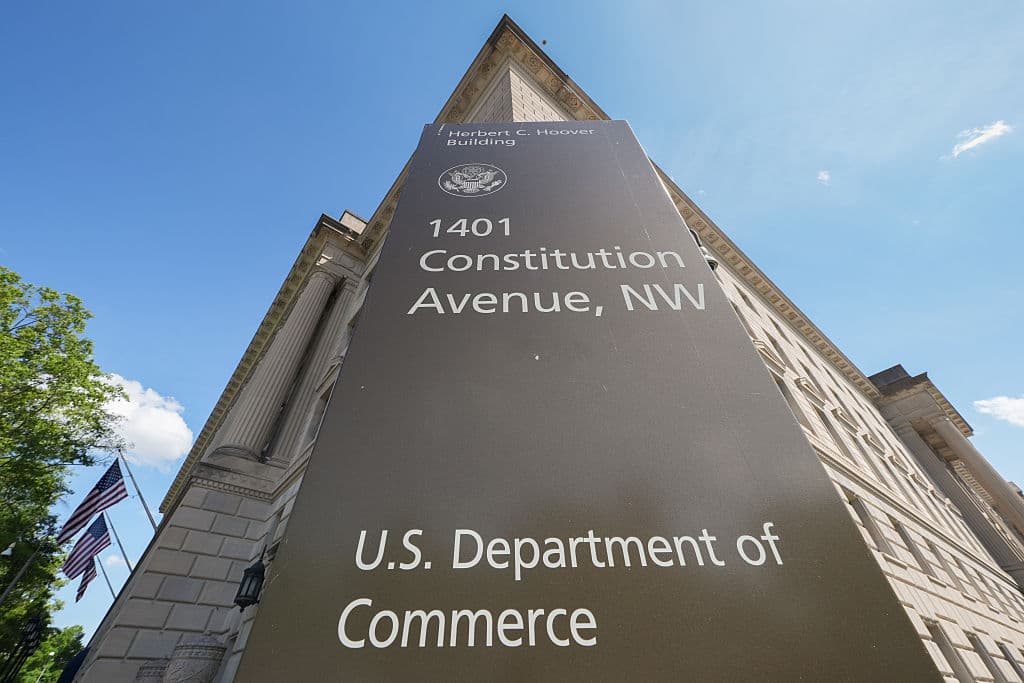
The U.S. House of Representatives has passed a bipartisan bill aimed at formalizing the role of the National Telecommunications and Information Administration (NTIA) in cybersecurity. This legislation is a response to the Salt Typhoon attacks, which targeted telecommunications infrastructure and exposed vulnerabilities in the sector. The NTIA, a part of the U.S. Department of Commerce, advises the President on telecommunications and information policy issues. By codifying its role in cybersecurity, the bill seeks to enhance coordination and response to cyber incidents affecting telecommunications. Technically, this formalization means that the NTIA will have a clearer mandate and potentially more resources to manage and mitigate cyber threats. This could lead to more effective incident response and better threat intelligence sharing. For cybersecurity professionals, this development underscores the importance of structured approaches to cybersecurity and the need for public-private partnerships. The impact on the cybersecurity landscape is significant. With a formalized role, the NTIA can better coordinate with other agencies and private sector partners, resulting in improved response times and more effective management of cyber incidents. Additionally, it highlights the growing recognition of the importance of securing telecommunications infrastructure, which is critical for both national security and economic stability. Expert insights suggest that this legislation is a positive step towards improving cybersecurity in the telecommunications sector. However, the effectiveness of this formalization will depend on the resources allocated to the NTIA and the level of cooperation it receives from other stakeholders. Cybersecurity professionals should monitor the implementation of this legislation and be prepared to engage with the NTIA as needed.