
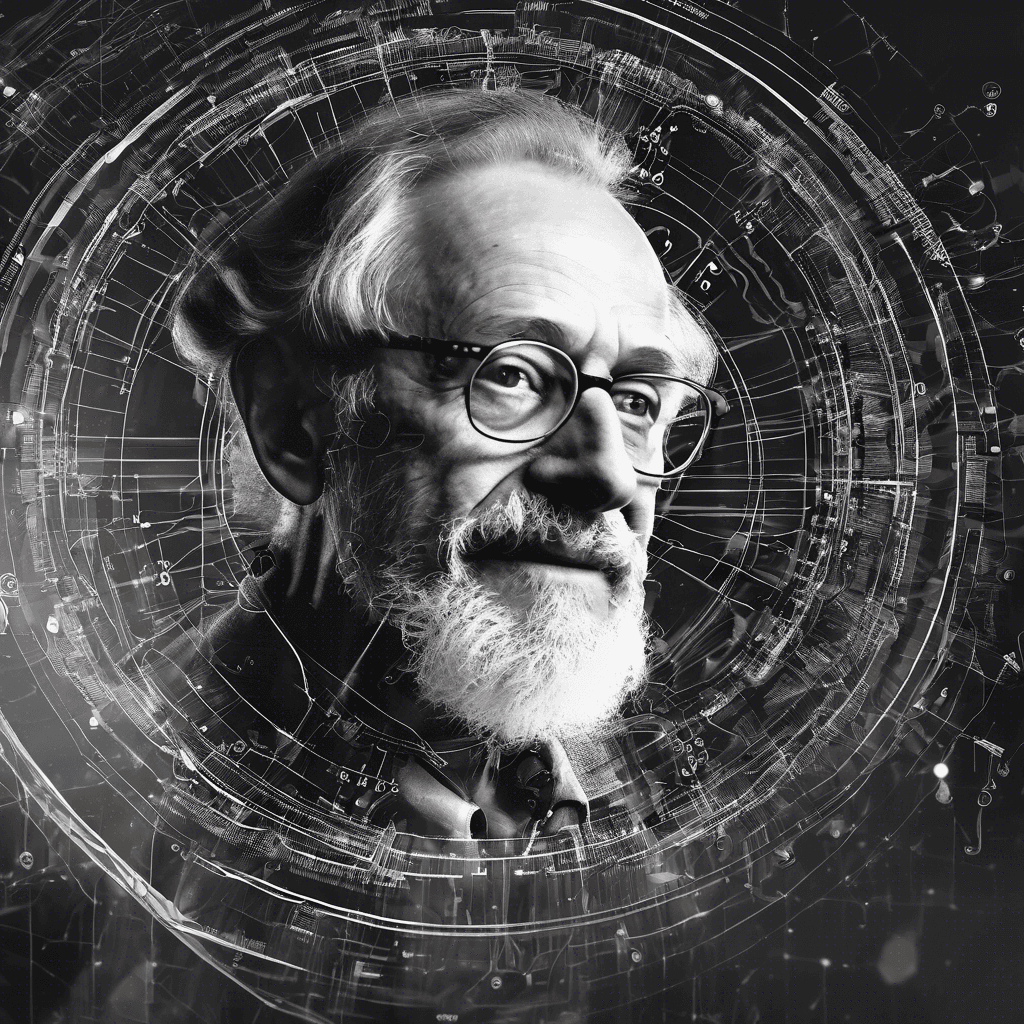
Renowned Physicist Daniel Kleppner Passes Away at 92: His Contributions to Atomic Clocks and Quantum Physics
Daniel Kleppner, a distinguished physicist, has passed away at the age of 92. Kleppner's work was instrumental in the development of atomic clocks, which are fundamental to modern navigation systems like GPS. His contributions also included confirming a rare state of matter predicted by Albert Einstein, known as Bose-Einstein condensates. These achievements have had a profound impact on both fundamental physics and practical technologies.
Atomic clocks are crucial for precise timekeeping, which is essential for various technological applications, including cybersecurity. For instance, time synchronization is critical for network protocols and security mechanisms like TOTP (Time-based One-Time Passwords). Any discrepancies in timekeeping can lead to vulnerabilities in these systems, highlighting the importance of Kleppner's work in this area.
Furthermore, Kleppner's work on Bose-Einstein condensates has implications for quantum computing. Quantum computers, which leverage the principles of quantum mechanics, have the potential to break many of the encryption algorithms currently in use. This poses a significant challenge to cybersecurity, as it necessitates the development of quantum-resistant encryption methods.
The passing of Daniel Kleppner marks the end of an era in physics, but his contributions will continue to influence both scientific research and technological advancements. For cybersecurity professionals, his work underscores the importance of precise timekeeping and the need to prepare for the quantum computing era.